


Copyright © MEIHINCHO All Rights Reserved.
 View All Photos(12)
Craft Report
100年家業を受け継いだ、地域きっての若手職人
兵庫県多可郡および西脇市周辺は、200年以上歴史のある播州織の産地として名高い地域です。周囲を自然に囲まれた環境豊かなこの地域で、今回紹介する小円織物有限会社(以下:小円織物)は3代にわたって操業されています。
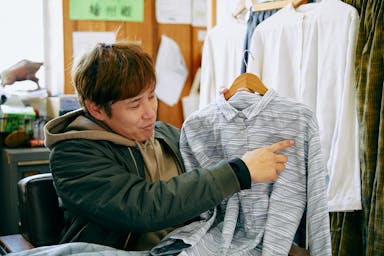
1926年に祖父の代から創業し、播州織を100年近く支え続けている同社。現在は3代目の小林 一光さんが家業に奮闘されています。最盛期は約1500件あった地域の機屋も100件程度まで縮小し、ますます高齢になっていく中、家業を継いだ30代の一光さんは地域で唯一と言っていい若手職人です。
1926年に祖父の代から創業し、播州織を100年近く支え続けている同社。現在は3代目の小林 一光さんが家業に奮闘されています。最盛期は約1500件あった地域の機屋も100件程度まで縮小し、ますます高齢になっていく中、家業を継いだ30代の一光さんは地域で唯一と言っていい若手職人です。
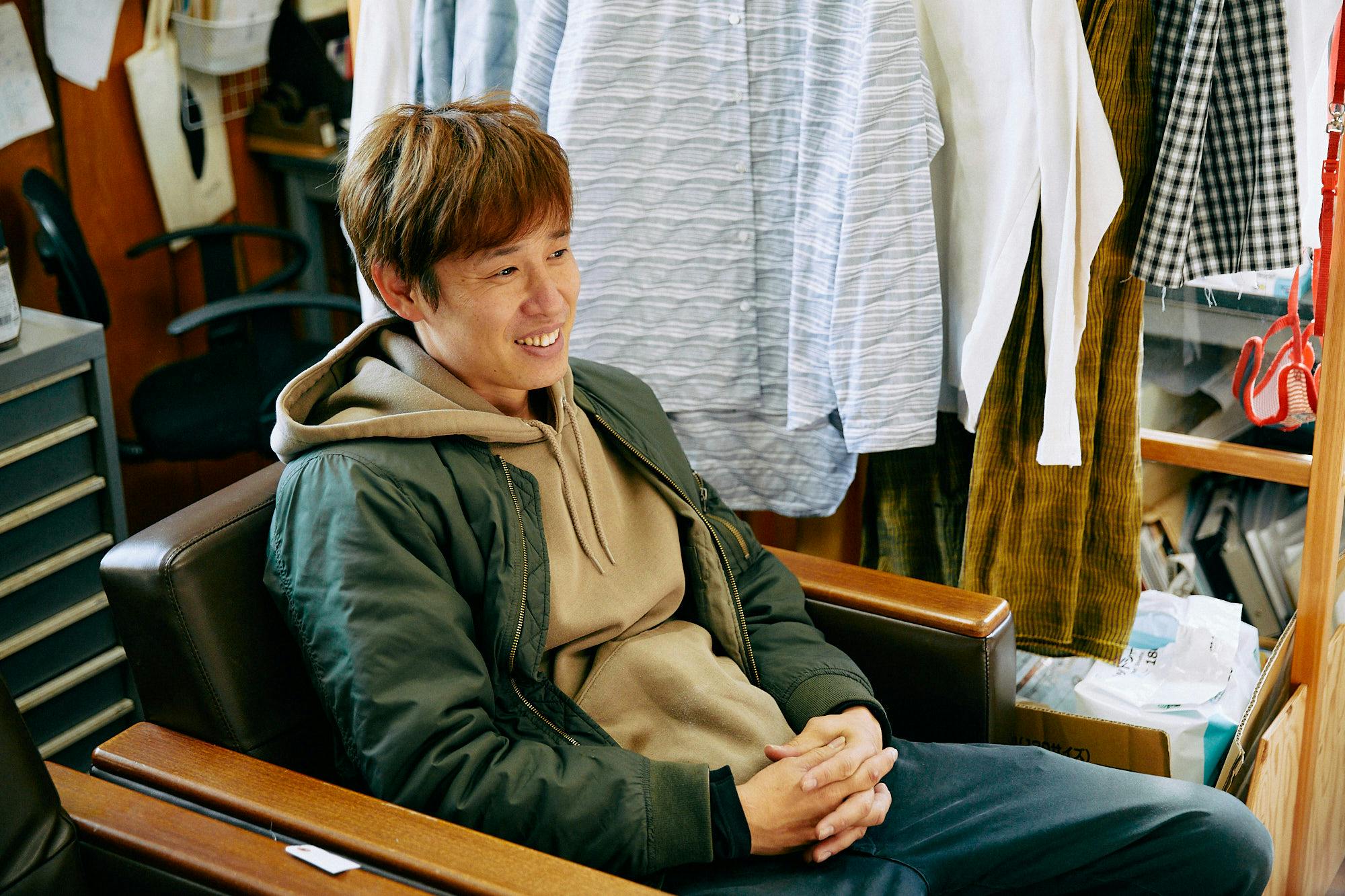
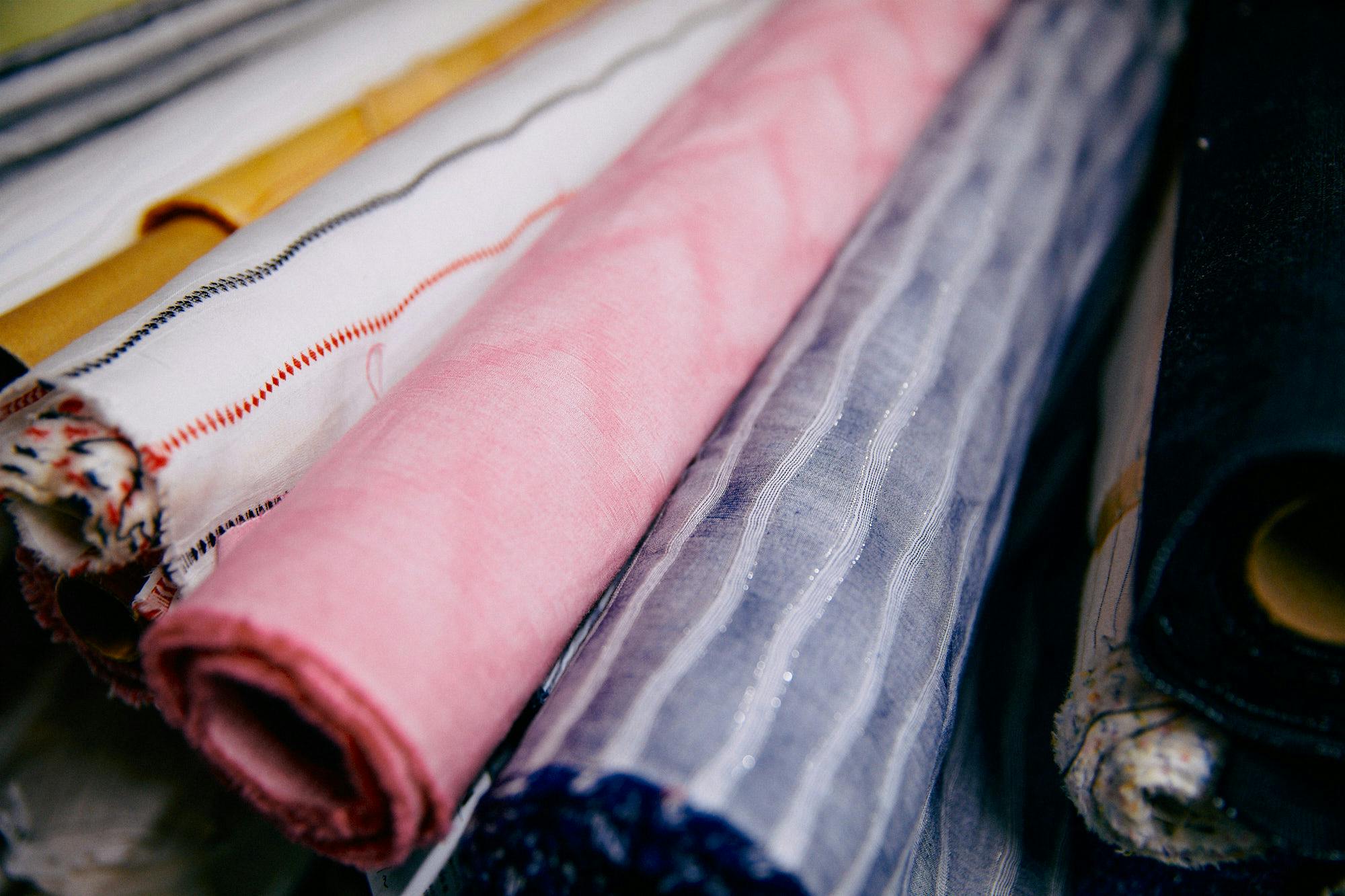
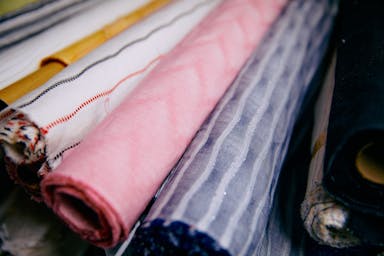
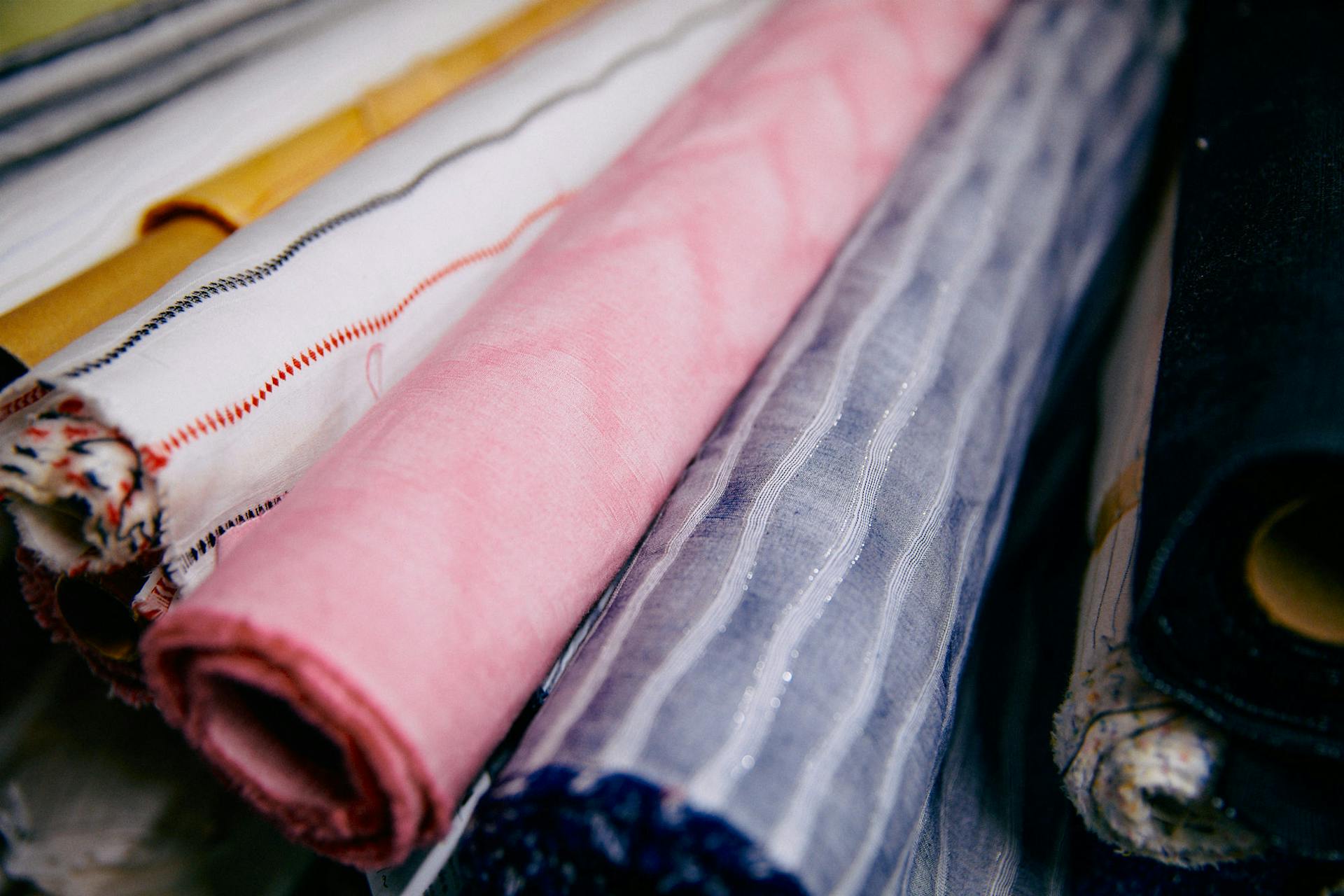
播州織の大きな特徴の一つとして、あらかじめ染色した糸を用いて生地を折り上げる「先染織物」という手法を使っていることです。ストールやシャツのように肌触りの良さが求められる製品に古くから重宝されてきました。
山あいを流れる加古川や杉原川といった河川が地域の水源として親しまれ、糸の染色にも適した軟水であったため、先染織物の伝統産業が栄えたと言われています。
山あいを流れる加古川や杉原川といった河川が地域の水源として親しまれ、糸の染色にも適した軟水であったため、先染織物の伝統産業が栄えたと言われています。
3世代がつなぐオリジナルの技法
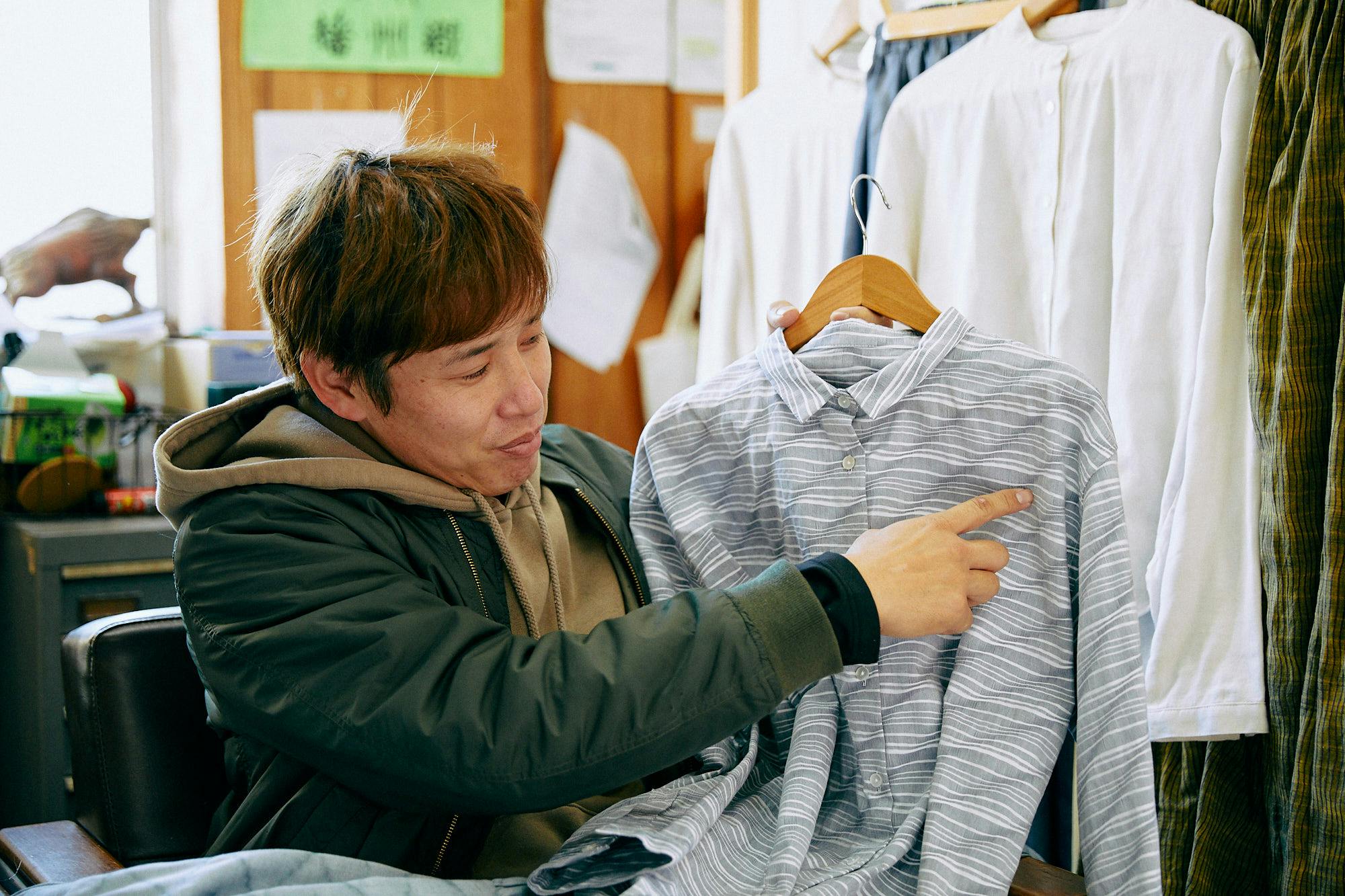
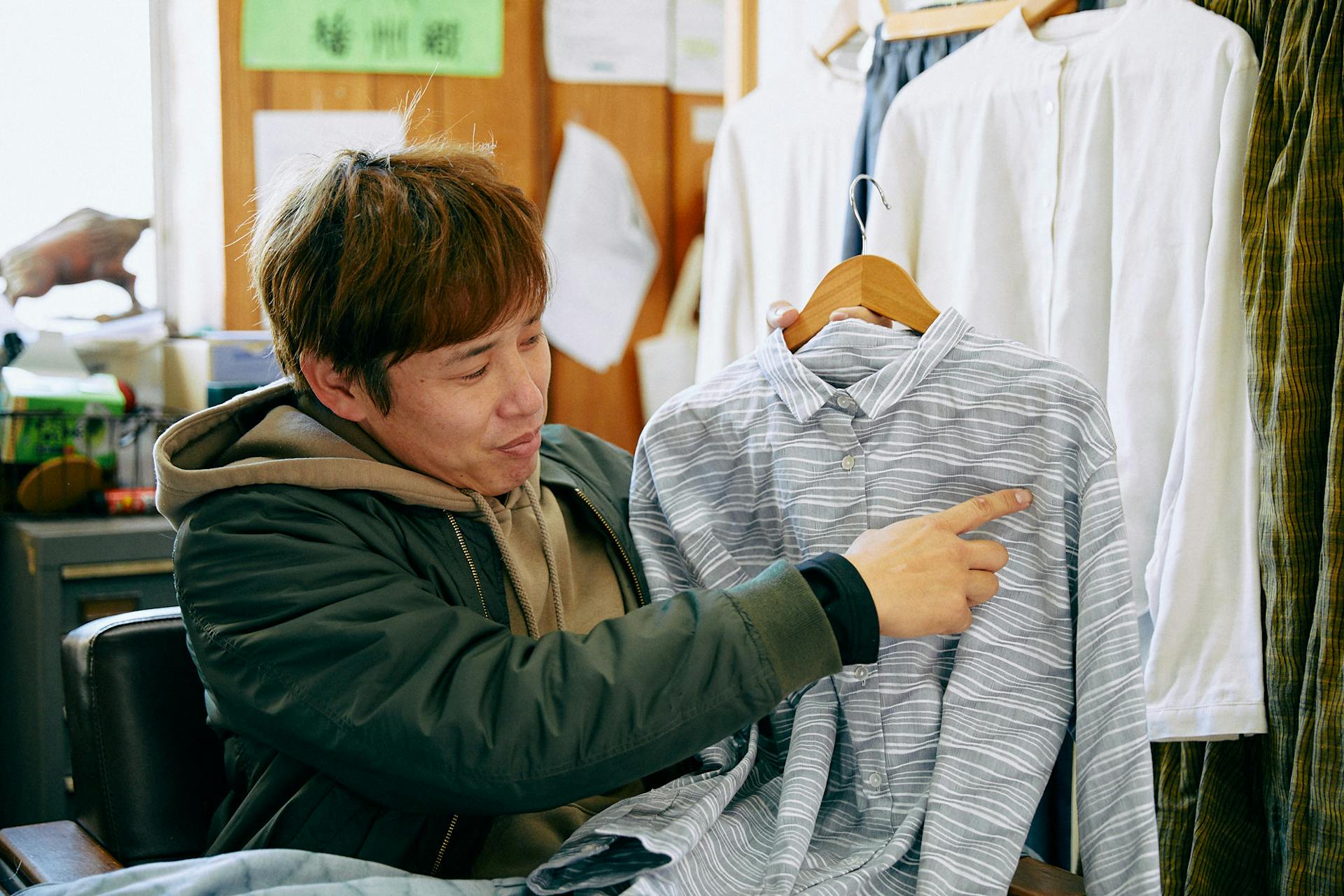
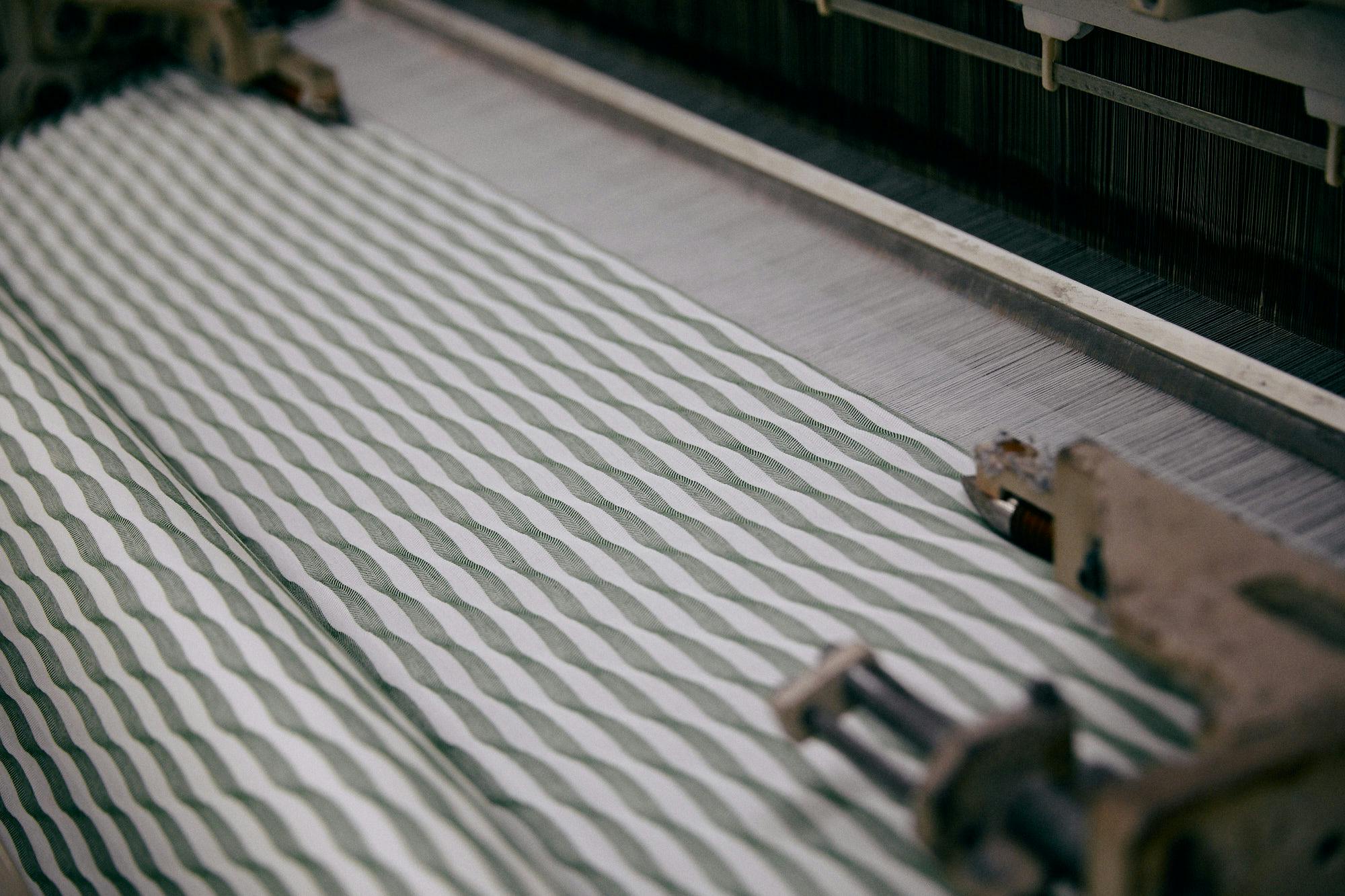
同社の特徴的な技術には「よろけ織」と「影織」が挙げられます。よろけ織は、織られた線がまさに波のように、動きのあるリズムに見えるのが特徴です。研究熱心で発明家気質だった初代である祖父が、これを織る装置を開発し実用新案を取得。先代の父はこの装置を元に織柄を正確にコントロール出来るコンピュータ化することに成功しました。
そして二人の技術を踏襲した3代目の一光さんは、織の密度をコントロールして独特の織柄を表現する「影織」を生み出しました。その名の通り、織柄に濃い部分と薄い部分が広がることで影のように見えるのですが、この生地を光に照らすと、影模様の透明さが一層引き立ち、肌触りの良い生地がより繊細な印象になります。
そして二人の技術を踏襲した3代目の一光さんは、織の密度をコントロールして独特の織柄を表現する「影織」を生み出しました。その名の通り、織柄に濃い部分と薄い部分が広がることで影のように見えるのですが、この生地を光に照らすと、影模様の透明さが一層引き立ち、肌触りの良い生地がより繊細な印象になります。
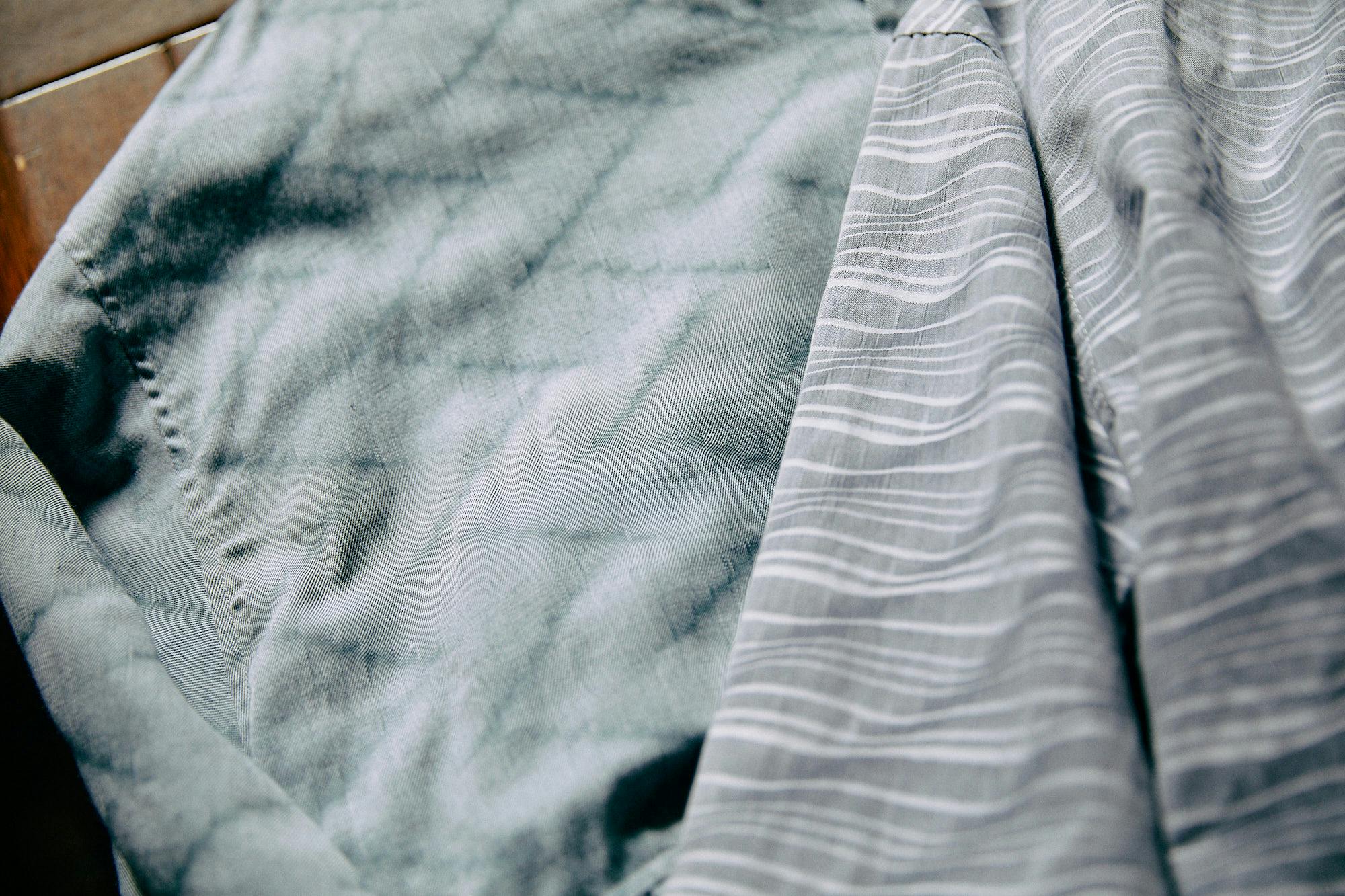
左:影織のシャツ、右:よろけ織のシャツ
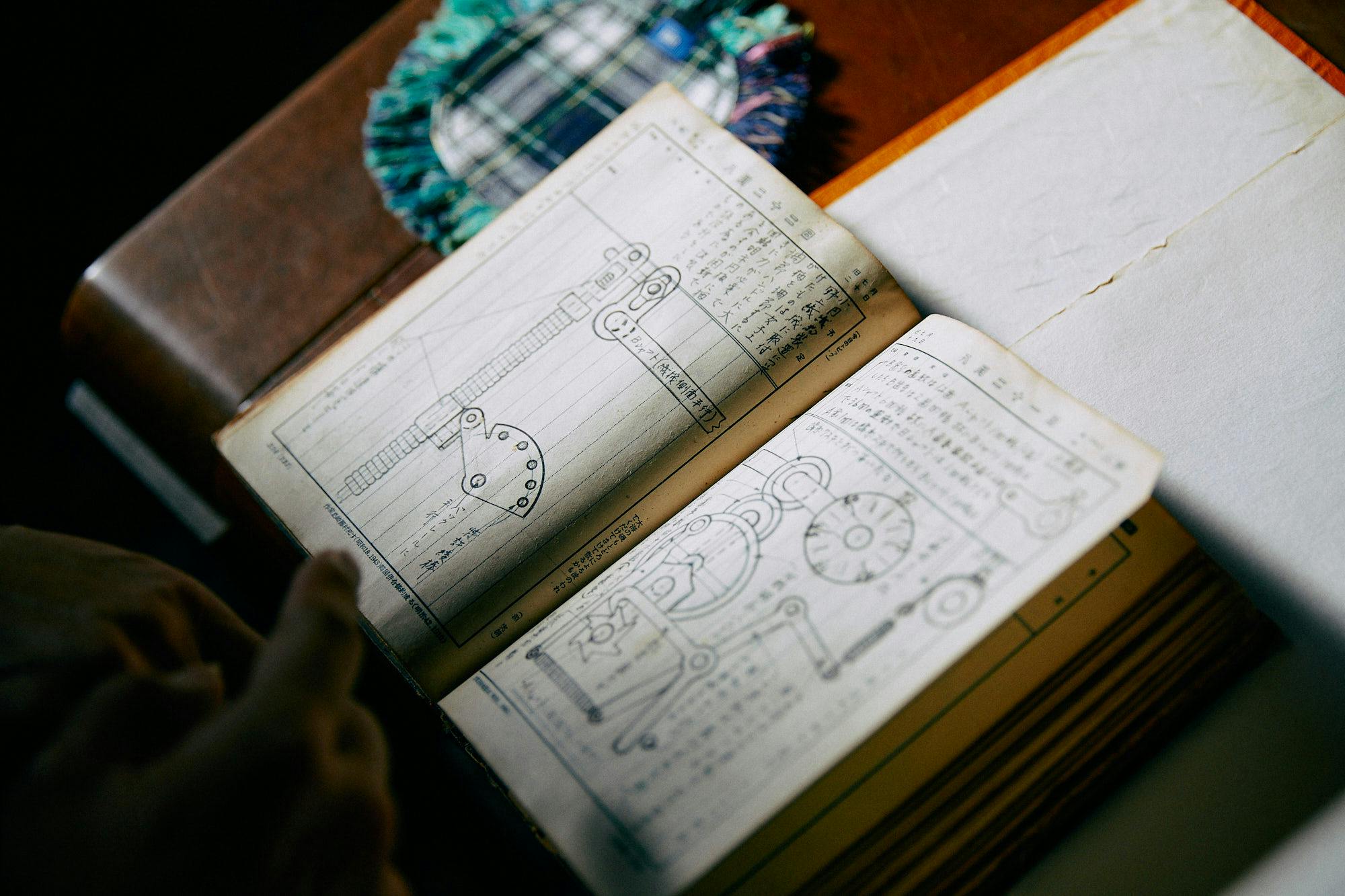
初代は根っからのアイデアマン。織機の器具を自作する際、製図を学びに鉄工所へ働きに行ったこともあるとか。
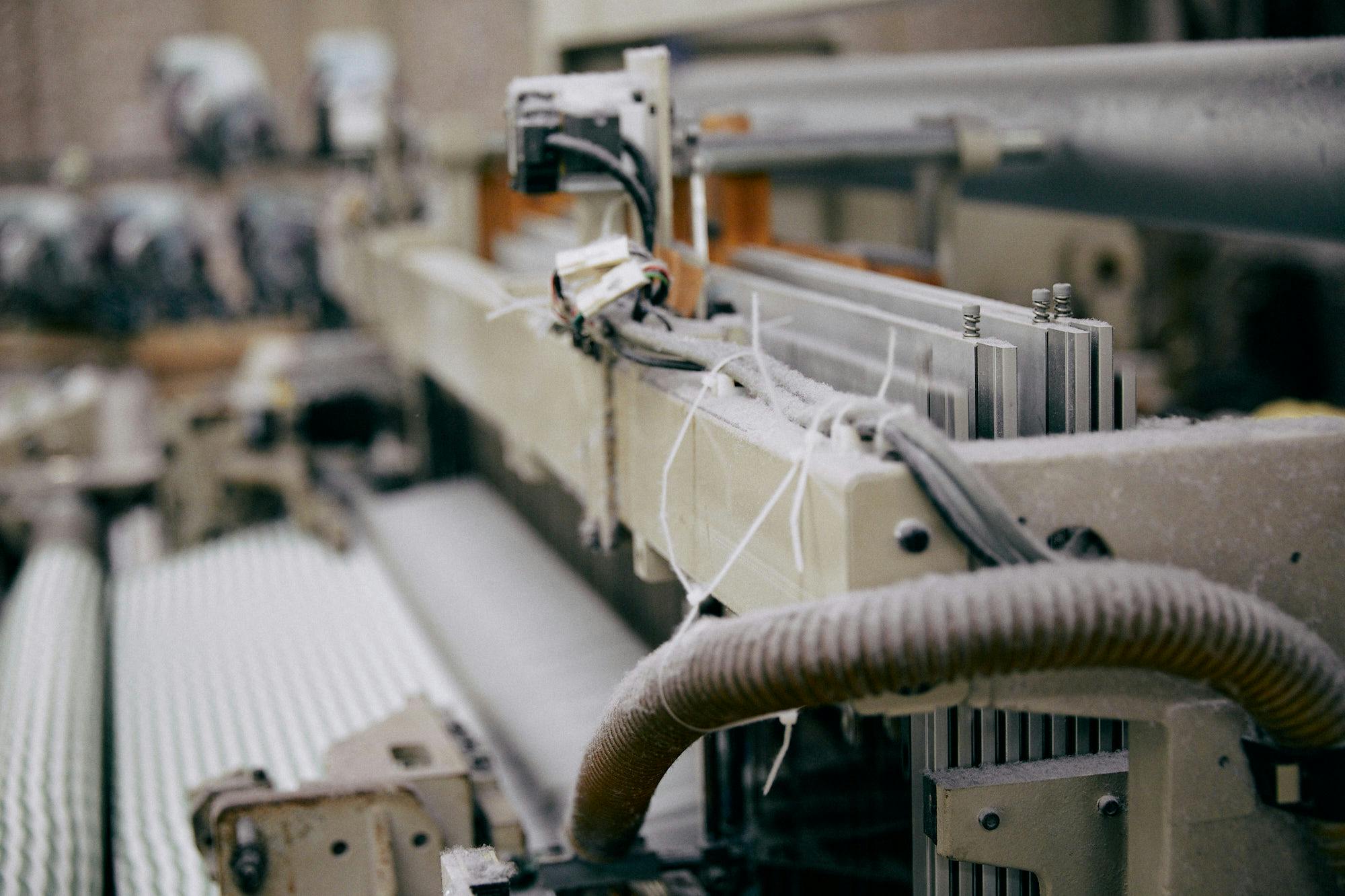
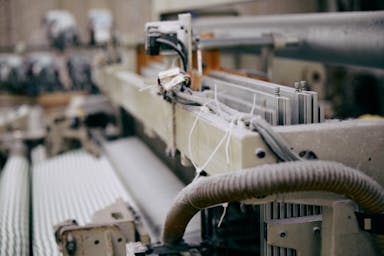
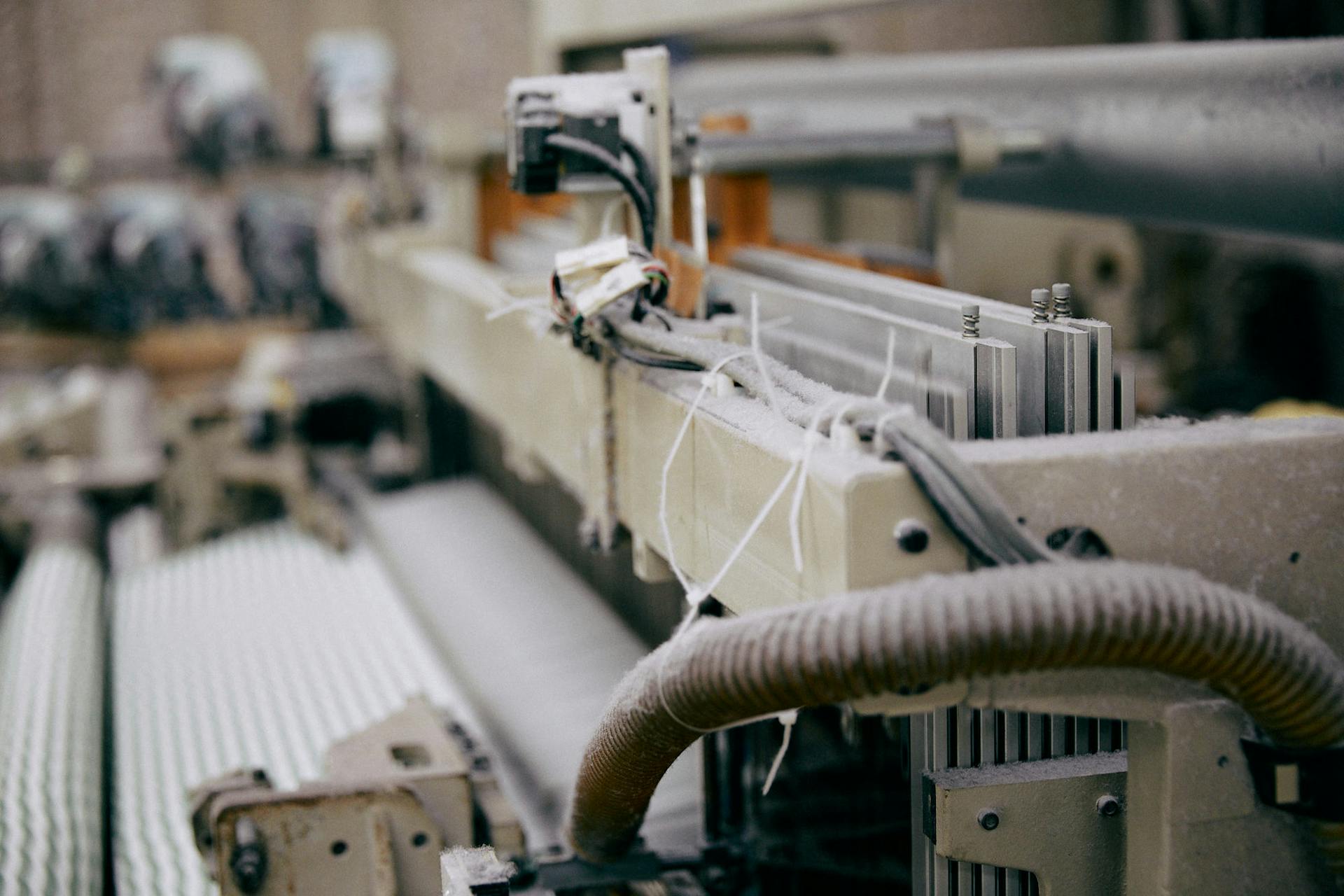
いずれも小円織物独自の織り方で唯一無二。織機を駆使して糸の張りを微妙に調整する技術によって、様々な変化のある柄を生地の上に表現しています。かつては自身の作ったこれらの生地を、ハイブランドの海外のブランドに提供されたこともあるそうです。
これまで様々なチャレンジを続けてきた一光さん。この技法をさらに新しいアイデアへ展開するために、日々研究が積み重ねられています。
これまで様々なチャレンジを続けてきた一光さん。この技法をさらに新しいアイデアへ展開するために、日々研究が積み重ねられています。
祖父の足跡から見る、家業と播州織の歴史
小円織物という社名は、祖父の名前に由来するそうです。初代の時代は、まさに織物産業の最盛期。多くの機屋が各地に勃興し、国内だけでなく海外まで販路を拡大。様々な種類の生地が高値で流通していました。その勢いは「ガチャッ」と織機が一回動いただけで1万円儲かる、そんな景気の良さを「ガチャマン景気」とまで呼んだほど。小円織物も多くの女工さんを抱えながら、戦争のあった大変な時代を機織と共に生き抜いてきたそうです。
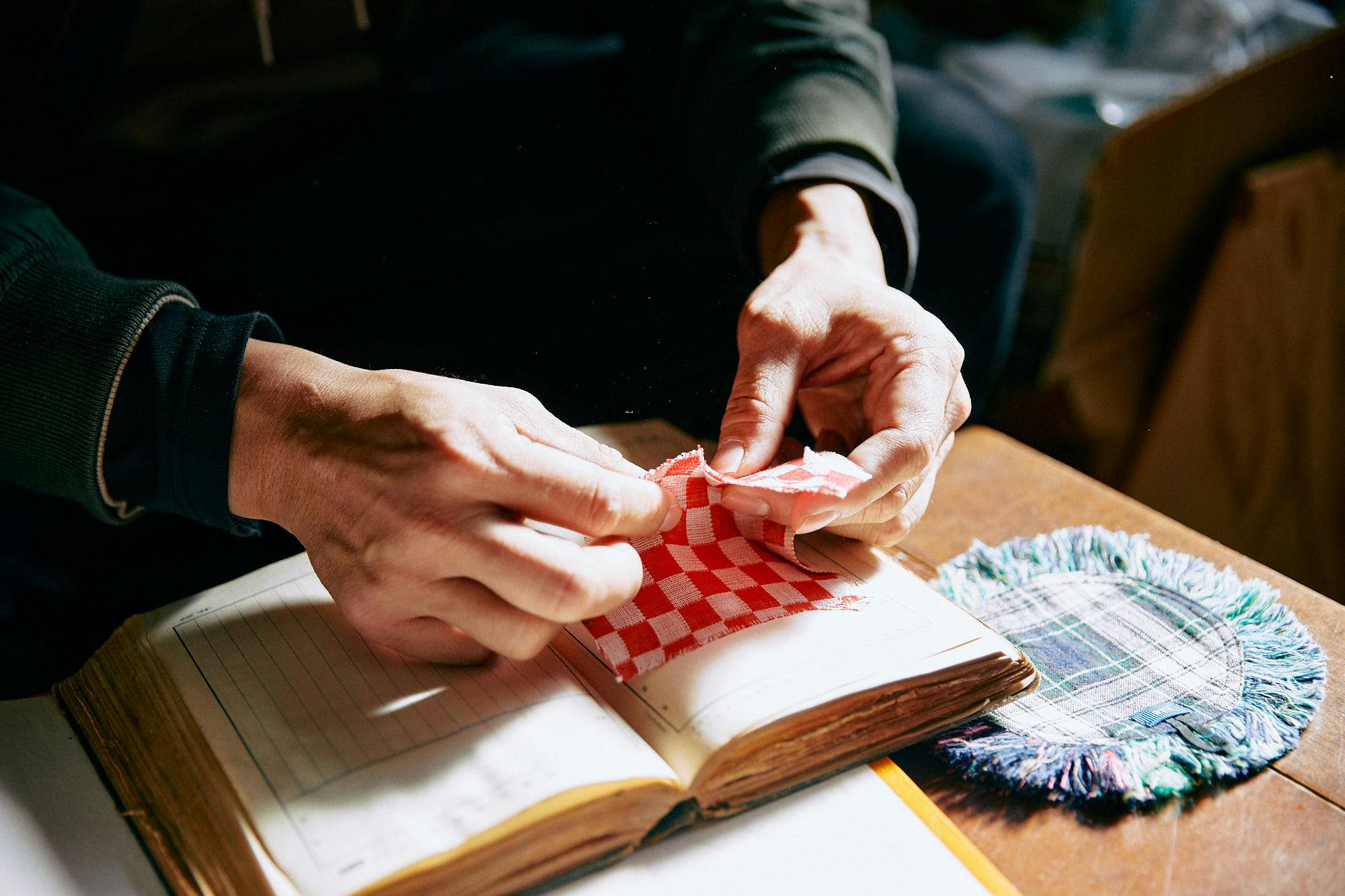
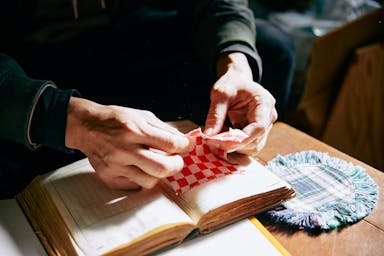
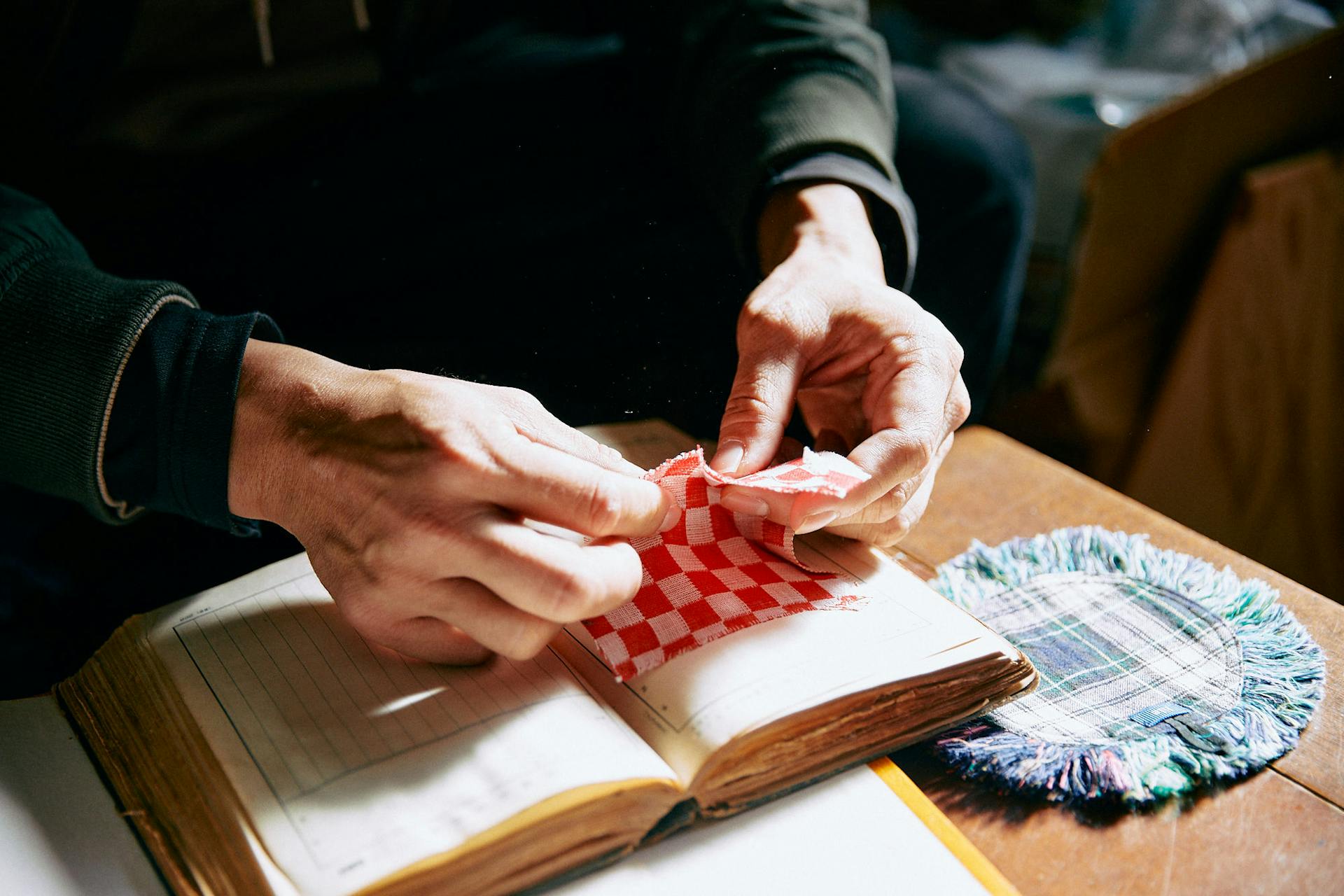
工場に保存されている当時のアルバムを見せていただきました。戦中戦後の写真が1枚残っているだけでも貴重なものですが、当時でも珍しくカメラでの撮影が趣味だった小円さんが、多くの写真を残してくれており、当時の日常や播州織に関わる人たちの営みが、克明に記録されていました。さらには、当時開発していた生地の組織図(設計図)を書いたメモまで保存されており、お話を伺う中で播州織の歴史がどれだけ深いか実感させられました。
一光さんが子供の頃は、祖父が怖くて仕方がなかったそうですが、写真を通して改めて祖父の足跡をたどると、尊敬する部分が多々見えてくると話していただきました。
工場に保存されている当時のアルバムを見せていただきました。戦中戦後の写真が1枚残っているだけでも貴重なものですが、当時でも珍しくカメラでの撮影が趣味だった小円さんが、多くの写真を残してくれており、当時の日常や播州織に関わる人たちの営みが、克明に記録されていました。さらには、当時開発していた生地の組織図(設計図)を書いたメモまで保存されており、お話を伺う中で播州織の歴史がどれだけ深いか実感させられました。
一光さんが子供の頃は、祖父が怖くて仕方がなかったそうですが、写真を通して改めて祖父の足跡をたどると、尊敬する部分が多々見えてくると話していただきました。
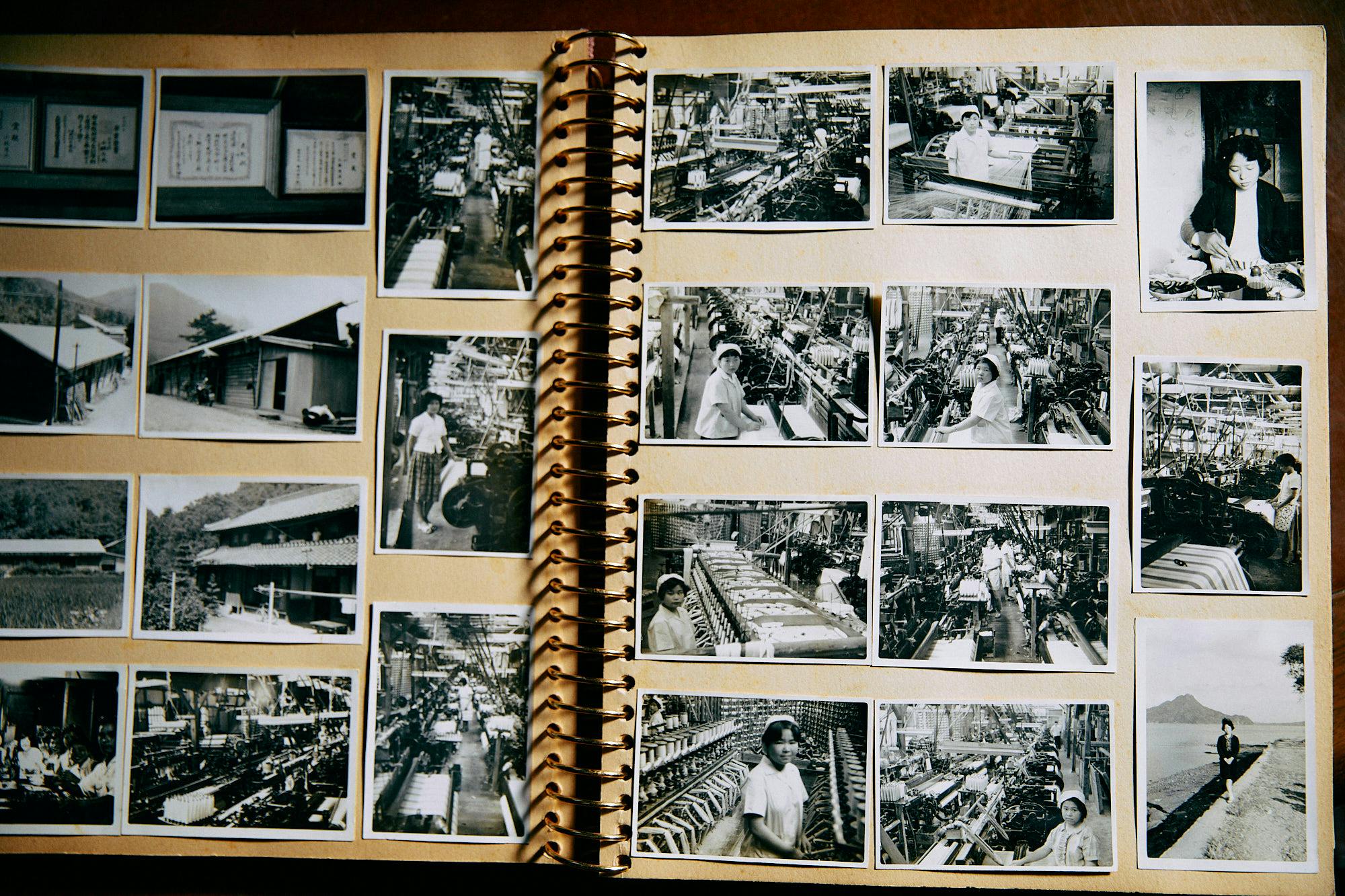
小円さんが撮影した日々のスナップ写真
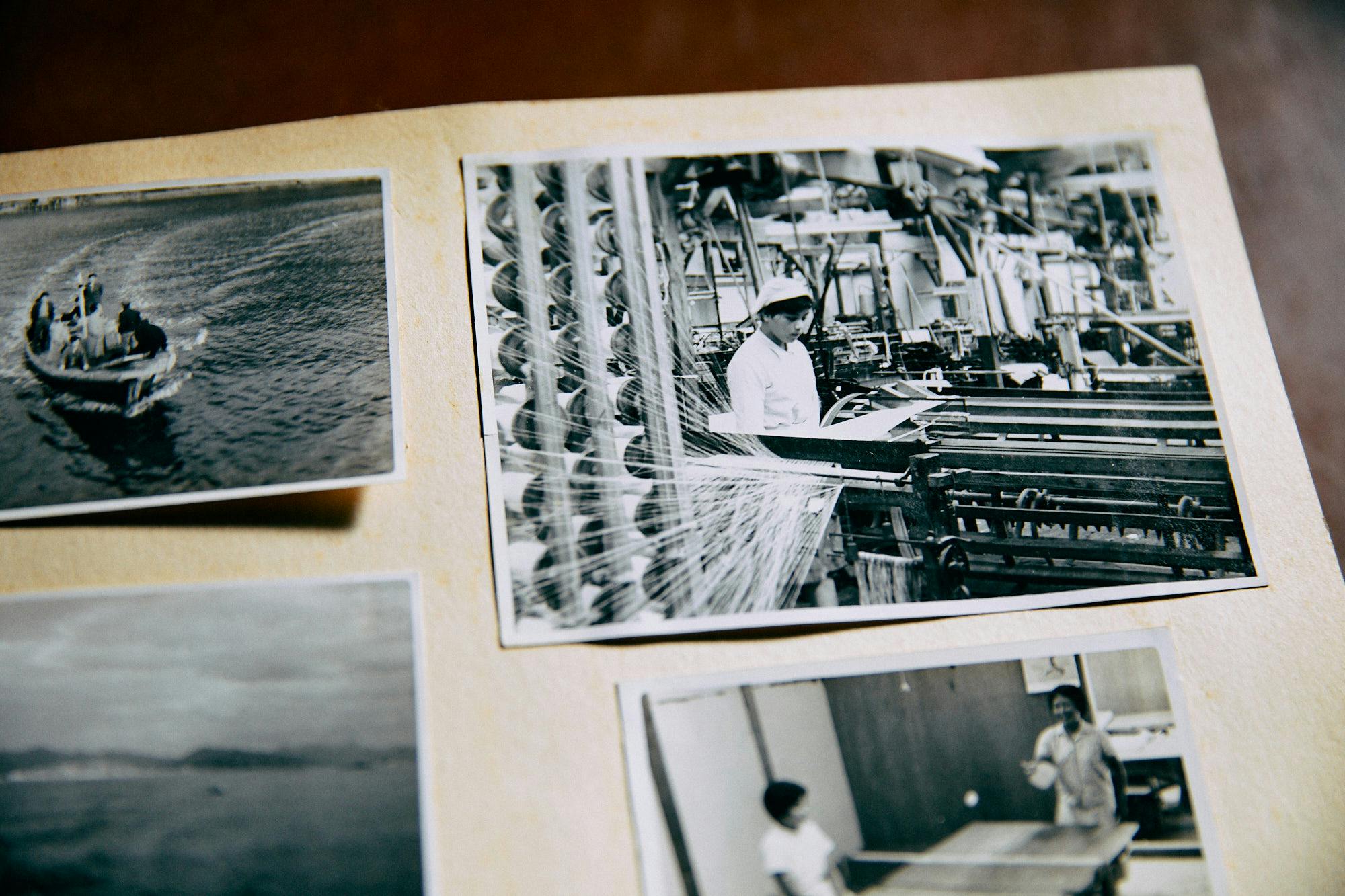
この時代からすでに多くの織機を工場に入れ、生地を大量生産していました。
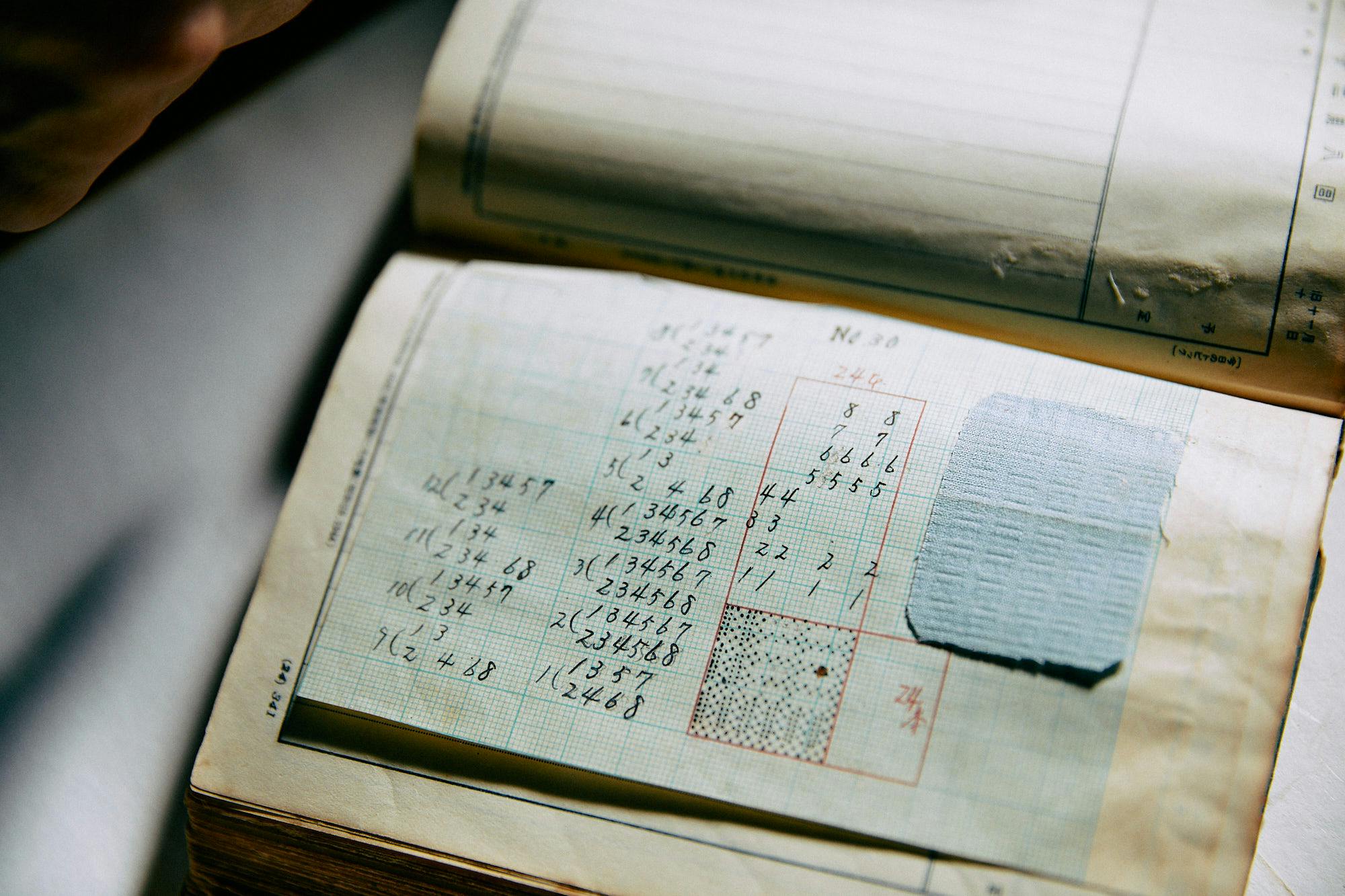
小円さんがメモしていた生地のサンプルとその組織図。
かつてほどの景気ではなくなったものの、小円織物は今でも工場をフル稼働させて生地を織っています。今では妻の郁香さんも事業もサポートしてくれていて、オンラインショップを中心に、生地やハンカチの販売を行っています。リーマンショックやコロナ禍を経て、困難が立ちはだかるたびに、負けず嫌いの性格で乗り越えてきたと言う一光さん。影織も実は、お客さんとのやり取りの中で、ある種の反骨心から生み出したアイデアだそうです。
あらゆる業種が変化に迫られる時代になったからこそ、若さを武器にチャレンジし続けることができる。「挑戦する機屋でありたい」と一光さんは決意を掲げています。
あらゆる業種が変化に迫られる時代になったからこそ、若さを武器にチャレンジし続けることができる。「挑戦する機屋でありたい」と一光さんは決意を掲げています。
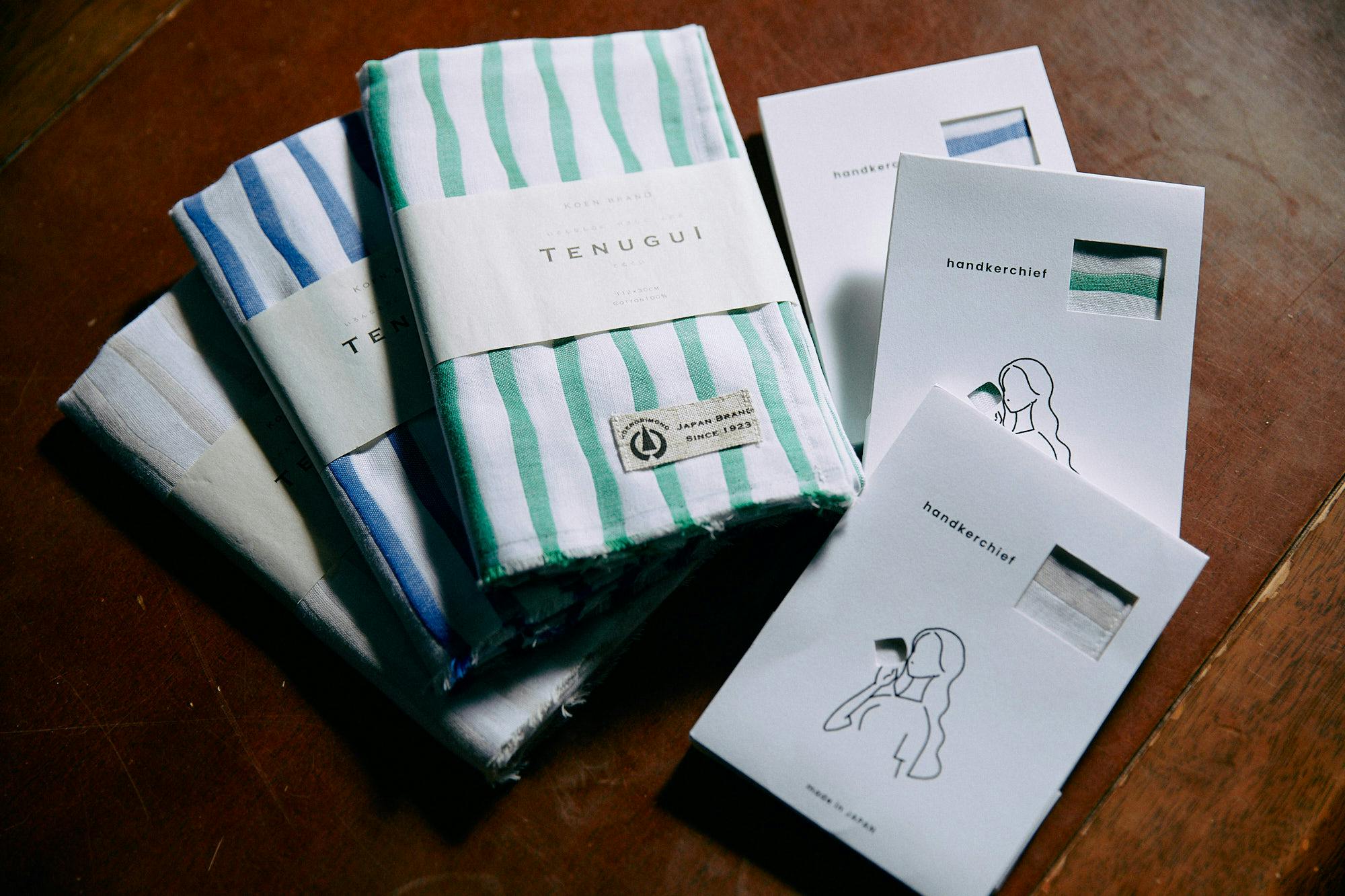
オンラインショップで販売されている手拭い
取材・撮影・文:森下 大喜
小円織物
 兵庫県
兵庫県#織物-播州織
播州織の中でも「よろけ織」や「影織」といった独自の織り方を生み出した小円織物。
これまでの様々なチャレンジをさらに新しいアイデアへ展開するため、日々研究を積み重ねています。
Last Updated : 2024/08/13
Representative
小林 一光
Established year
1926年
Employees
人
Location
〒677-0113 兵庫県多可郡多可町八千代区俵田35
Official Website
小円織物
兵庫県#織物-播州織
播州織の中でも「よろけ織」や「影織」といった独自の織り方を生み出した小円織物。
これまでの様々なチャレンジをさらに新しいアイデアへ展開するため、日々研究を積み重ねています。
Last Updated : 2024/08/13
Representative
小林 一光
Established year
1926年
Employees
人
Location
〒677-0113 兵庫県多可郡多可町八千代区俵田35
Official Website
Craft Report
100年家業を受け継いだ、地域きっての若手職人
兵庫県多可郡および西脇市周辺は、200年以上歴史のある播州織の産地として名高い地域です。周囲を自然に囲まれた環境豊かなこの地域で、今回紹介する小円織物有限会社(以下:小円織物)は3代にわたって操業されています。
1926年に祖父の代から創業し、播州織を100年近く支え続けている同社。現在は3代目の小林 一光さんが家業に奮闘されています。最盛期は約1500件あった地域の機屋も100件程度まで縮小し、ますます高齢になっていく中、家業を継いだ30代の一光さんは地域で唯一と言っていい若手職人です。
1926年に祖父の代から創業し、播州織を100年近く支え続けている同社。現在は3代目の小林 一光さんが家業に奮闘されています。最盛期は約1500件あった地域の機屋も100件程度まで縮小し、ますます高齢になっていく中、家業を継いだ30代の一光さんは地域で唯一と言っていい若手職人です。
播州織の大きな特徴の一つとして、あらかじめ染色した糸を用いて生地を折り上げる「先染織物」という手法を使っていることです。ストールやシャツのように肌触りの良さが求められる製品に古くから重宝されてきました。
山あいを流れる加古川や杉原川といった河川が地域の水源として親しまれ、糸の染色にも適した軟水であったため、先染織物の伝統産業が栄えたと言われています。
山あいを流れる加古川や杉原川といった河川が地域の水源として親しまれ、糸の染色にも適した軟水であったため、先染織物の伝統産業が栄えたと言われています。
3世代がつなぐオリジナルの技法
同社の特徴的な技術には「よろけ織」と「影織」が挙げられます。よろけ織は、織られた線がまさに波のように、動きのあるリズムに見えるのが特徴です。研究熱心で発明家気質だった初代である祖父が、これを織る装置を開発し実用新案を取得。先代の父はこの装置を元に織柄を正確にコントロール出来るコンピュータ化することに成功しました。
そして二人の技術を踏襲した3代目の一光さんは、織の密度をコントロールして独特の織柄を表現する「影織」を生み出しました。その名の通り、織柄に濃い部分と薄い部分が広がることで影のように見えるのですが、この生地を光に照らすと、影模様の透明さが一層引き立ち、肌触りの良い生地がより繊細な印象になります。
そして二人の技術を踏襲した3代目の一光さんは、織の密度をコントロールして独特の織柄を表現する「影織」を生み出しました。その名の通り、織柄に濃い部分と薄い部分が広がることで影のように見えるのですが、この生地を光に照らすと、影模様の透明さが一層引き立ち、肌触りの良い生地がより繊細な印象になります。
左:影織のシャツ、右:よろけ織のシャツ
初代は根っからのアイデアマン。織機の器具を自作する際、製図を学びに鉄工所へ働きに行ったこともあるとか。
いずれも小円織物独自の織り方で唯一無二。織機を駆使して糸の張りを微妙に調整する技術によって、様々な変化のある柄を生地の上に表現しています。かつては自身の作ったこれらの生地を、ハイブランドの海外のブランドに提供されたこともあるそうです。
これまで様々なチャレンジを続けてきた一光さん。この技法をさらに新しいアイデアへ展開するために、日々研究が積み重ねられています。
これまで様々なチャレンジを続けてきた一光さん。この技法をさらに新しいアイデアへ展開するために、日々研究が積み重ねられています。
祖父の足跡から見る、家業と播州織の歴史
小円織物という社名は、祖父の名前に由来するそうです。初代の時代は、まさに織物産業の最盛期。多くの機屋が各地に勃興し、国内だけでなく海外まで販路を拡大。様々な種類の生地が高値で流通していました。その勢いは「ガチャッ」と織機が一回動いただけで1万円儲かる、そんな景気の良さを「ガチャマン景気」とまで呼んだほど。小円織物も多くの女工さんを抱えながら、戦争のあった大変な時代を機織と共に生き抜いてきたそうです。
工場に保存されている当時のアルバムを見せていただきました。戦中戦後の写真が1枚残っているだけでも貴重なものですが、当時でも珍しくカメラでの撮影が趣味だった小円さんが、多くの写真を残してくれており、当時の日常や播州織に関わる人たちの営みが、克明に記録されていました。さらには、当時開発していた生地の組織図(設計図)を書いたメモまで保存されており、お話を伺う中で播州織の歴史がどれだけ深いか実感させられました。
一光さんが子供の頃は、祖父が怖くて仕方がなかったそうですが、写真を通して改めて祖父の足跡をたどると、尊敬する部分が多々見えてくると話していただきました。
工場に保存されている当時のアルバムを見せていただきました。戦中戦後の写真が1枚残っているだけでも貴重なものですが、当時でも珍しくカメラでの撮影が趣味だった小円さんが、多くの写真を残してくれており、当時の日常や播州織に関わる人たちの営みが、克明に記録されていました。さらには、当時開発していた生地の組織図(設計図)を書いたメモまで保存されており、お話を伺う中で播州織の歴史がどれだけ深いか実感させられました。
一光さんが子供の頃は、祖父が怖くて仕方がなかったそうですが、写真を通して改めて祖父の足跡をたどると、尊敬する部分が多々見えてくると話していただきました。
小円さんが撮影した日々のスナップ写真
この時代からすでに多くの織機を工場に入れ、生地を大量生産していました。
小円さんがメモしていた生地のサンプルとその組織図。
かつてほどの景気ではなくなったものの、小円織物は今でも工場をフル稼働させて生地を織っています。今では妻の郁香さんも事業もサポートしてくれていて、オンラインショップを中心に、生地やハンカチの販売を行っています。リーマンショックやコロナ禍を経て、困難が立ちはだかるたびに、負けず嫌いの性格で乗り越えてきたと言う一光さん。影織も実は、お客さんとのやり取りの中で、ある種の反骨心から生み出したアイデアだそうです。
あらゆる業種が変化に迫られる時代になったからこそ、若さを武器にチャレンジし続けることができる。「挑戦する機屋でありたい」と一光さんは決意を掲げています。
あらゆる業種が変化に迫られる時代になったからこそ、若さを武器にチャレンジし続けることができる。「挑戦する機屋でありたい」と一光さんは決意を掲げています。
オンラインショップで販売されている手拭い
取材・撮影・文:森下 大喜
Crafts