


Copyright © MEIHINCHO All Rights Reserved.


 View All Photos(13)
Craft Report
One-of-a-Kind Craft Born from Cherry Trees: Kabazaiku.
Since its founding in 1876, Yatuyanagi has carried on the tradition of kabazaiku—a craft unique to Japan that uses the bark of wild cherry trees (yamazakura). Their workshop is located in Semboku City, Kakunodate, Akita Prefecture, a beautiful area blessed with abundant nature, where this rare art form continues to be practiced.

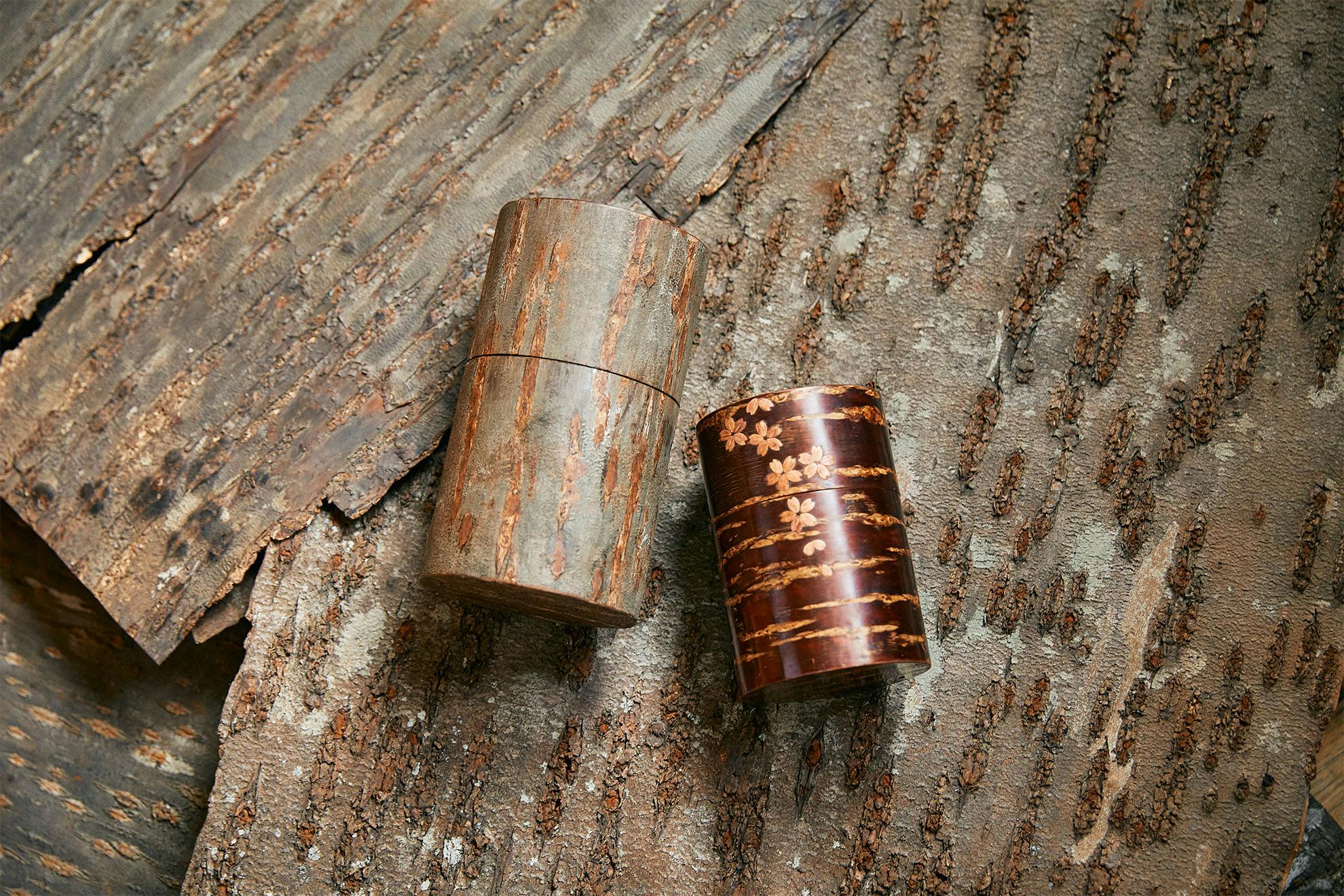
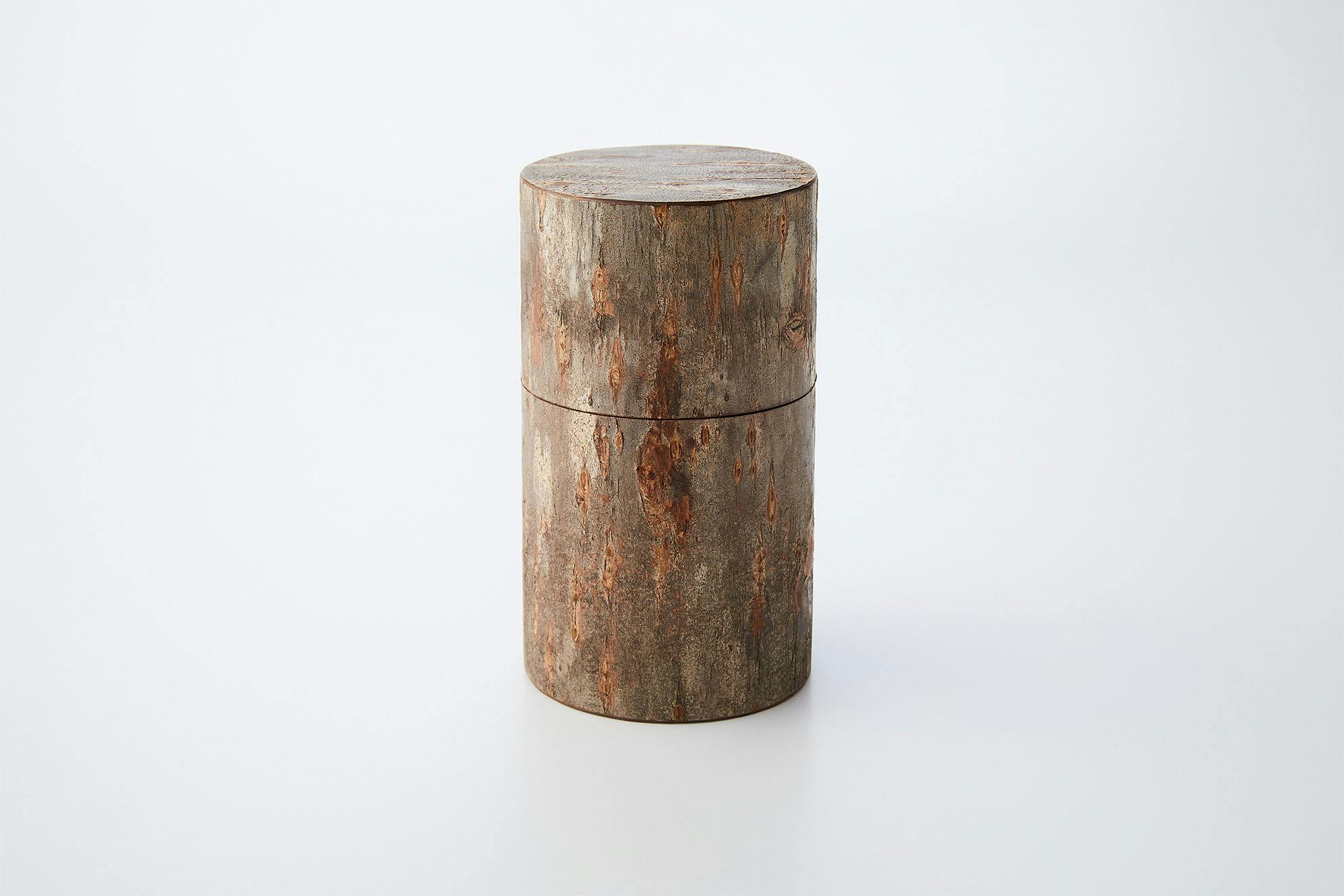
Tea caddy by Yatuyanagi.
The technique was passed down from the Ani region in northern Akita to Kakunodate more than 200 years ago. The bark of yamazakura, which grows strong in the harsh mountain climate, provides an exceptional material nurtured by Akita’s natural environment. While Japan is home to many traditional crafts, kabazaiku remains the world’s only craft made with cherry bark.
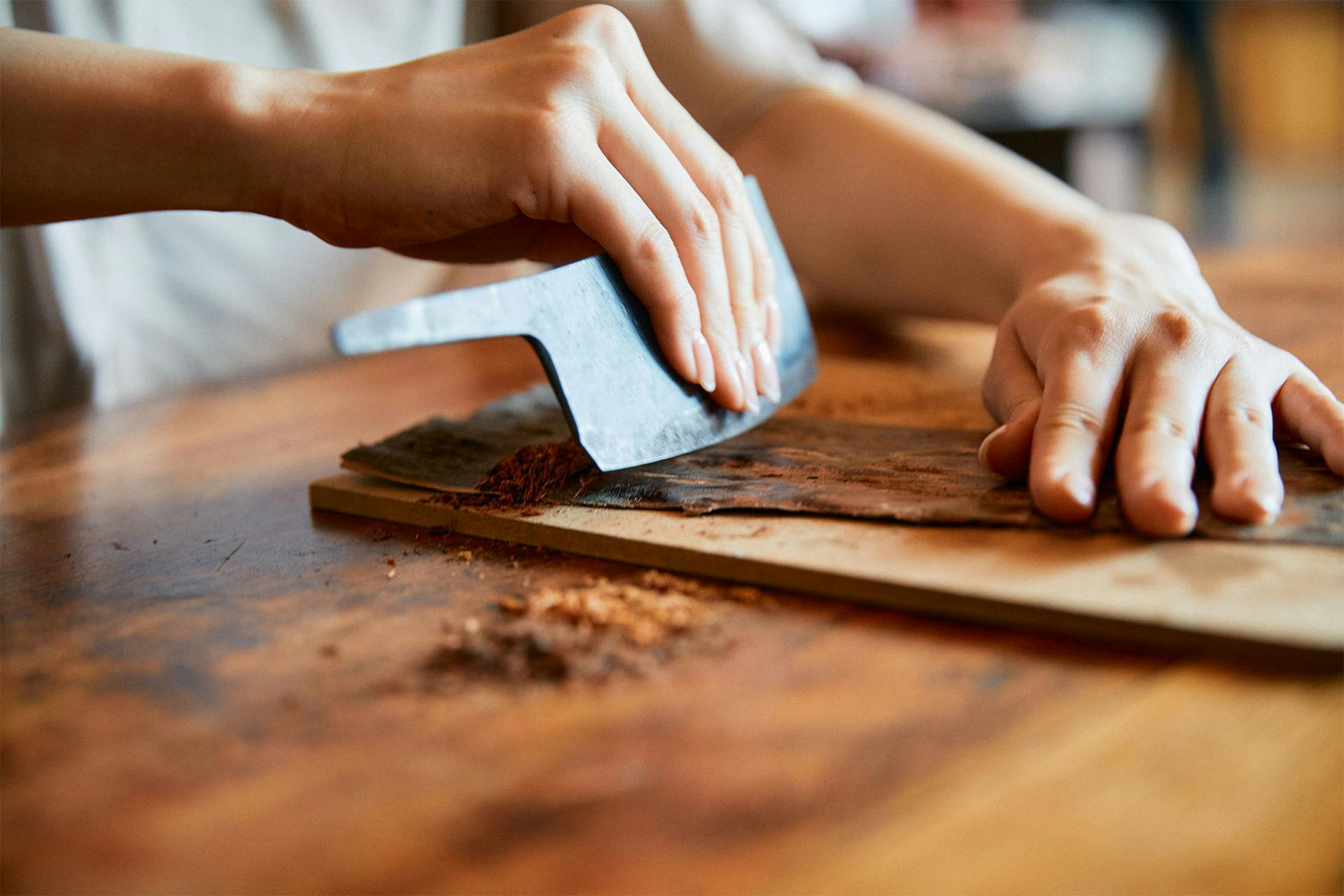
The bark is carefully stripped from the trunk, air-dried for over a year to remove moisture, then shaved and polished to bring out its rich tones. The resulting pieces are often described as “a bark art form unparalleled in the world.”
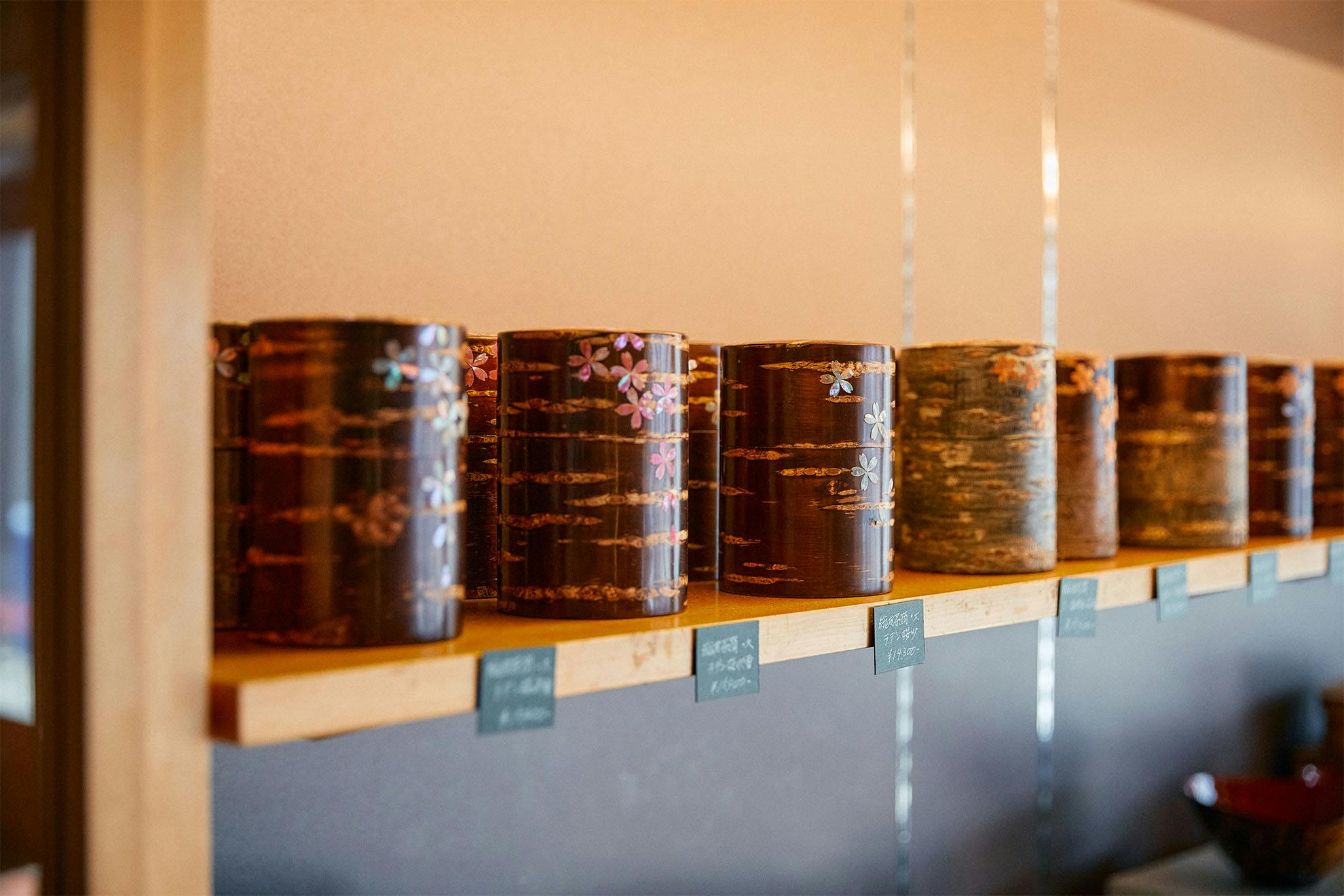
Beyond their beauty, these works are valued for the natural qualities of the material. Cherry bark resists humidity, making it ideal for everyday tools across the centuries—from pill cases and tea caddies to containers and accessories—adapting in form to the times while remaining a part of people’s lives.
Kōtarō Yatuyanagi, the seventh-generation successor, grew up surrounded by kabazaiku and cherry bark, developing a strong sense of duty to carry on the tradition.
The bark is carefully stripped from the trunk, air-dried for over a year to remove moisture, then shaved and polished to bring out its rich tones. The resulting pieces are often described as “a bark art form unparalleled in the world.”
Beyond their beauty, these works are valued for the natural qualities of the material. Cherry bark resists humidity, making it ideal for everyday tools across the centuries—from pill cases and tea caddies to containers and accessories—adapting in form to the times while remaining a part of people’s lives.
Kōtarō Yatuyanagi, the seventh-generation successor, grew up surrounded by kabazaiku and cherry bark, developing a strong sense of duty to carry on the tradition.

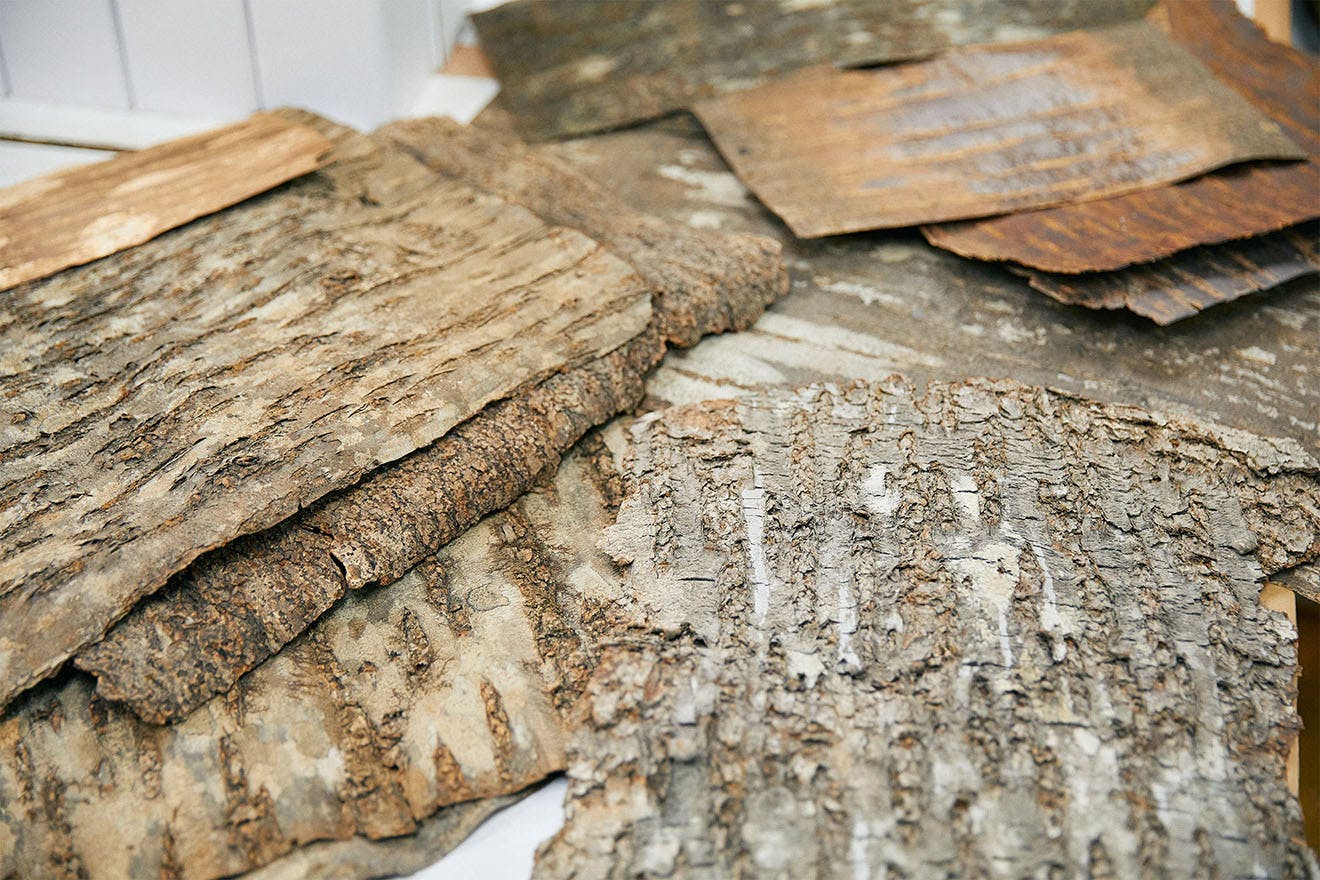
Yamazakura trees used in kabazaiku.

Yamazakura can only be harvested in summer.
Walking with Nature, Passing on to the Next Generation.
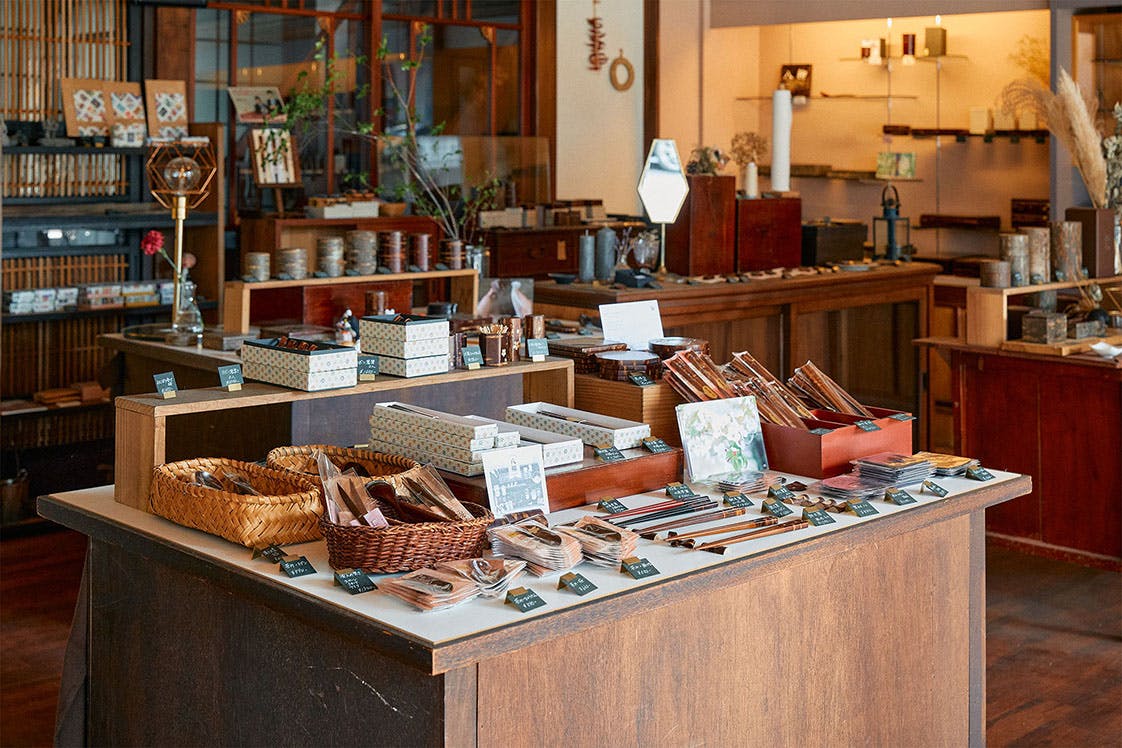
Through kabazaiku production and sales, Yatuyanagi also contributes to the local community in Akita. They actively participate in local events and exhibitions, support cultural activities, and work to foster regional connections. Recognized as a local specialty, their products also play a role in revitalizing the economy.
Yatuyanagi organizes educational programs for elementary and middle schools, teaching both history and hands-on craft experiences. They also collaborate with local special-needs schools, having students try making kabazaiku, or practice retail through mock sales at the company’s shop—initiatives that help connect the tradition to the next generation.
Sourcing materials can be challenging. After the 2011 Great East Japan Earthquake, supply from Fukushima was cut off, so the team searched the mountains themselves, forging ties with new timber suppliers to secure quality wood. Overcoming these difficulties strengthened their teamwork and sense of solidarity.
Yatuyanagi organizes educational programs for elementary and middle schools, teaching both history and hands-on craft experiences. They also collaborate with local special-needs schools, having students try making kabazaiku, or practice retail through mock sales at the company’s shop—initiatives that help connect the tradition to the next generation.
Sourcing materials can be challenging. After the 2011 Great East Japan Earthquake, supply from Fukushima was cut off, so the team searched the mountains themselves, forging ties with new timber suppliers to secure quality wood. Overcoming these difficulties strengthened their teamwork and sense of solidarity.

Yamazakura bark reveals a natural luster.


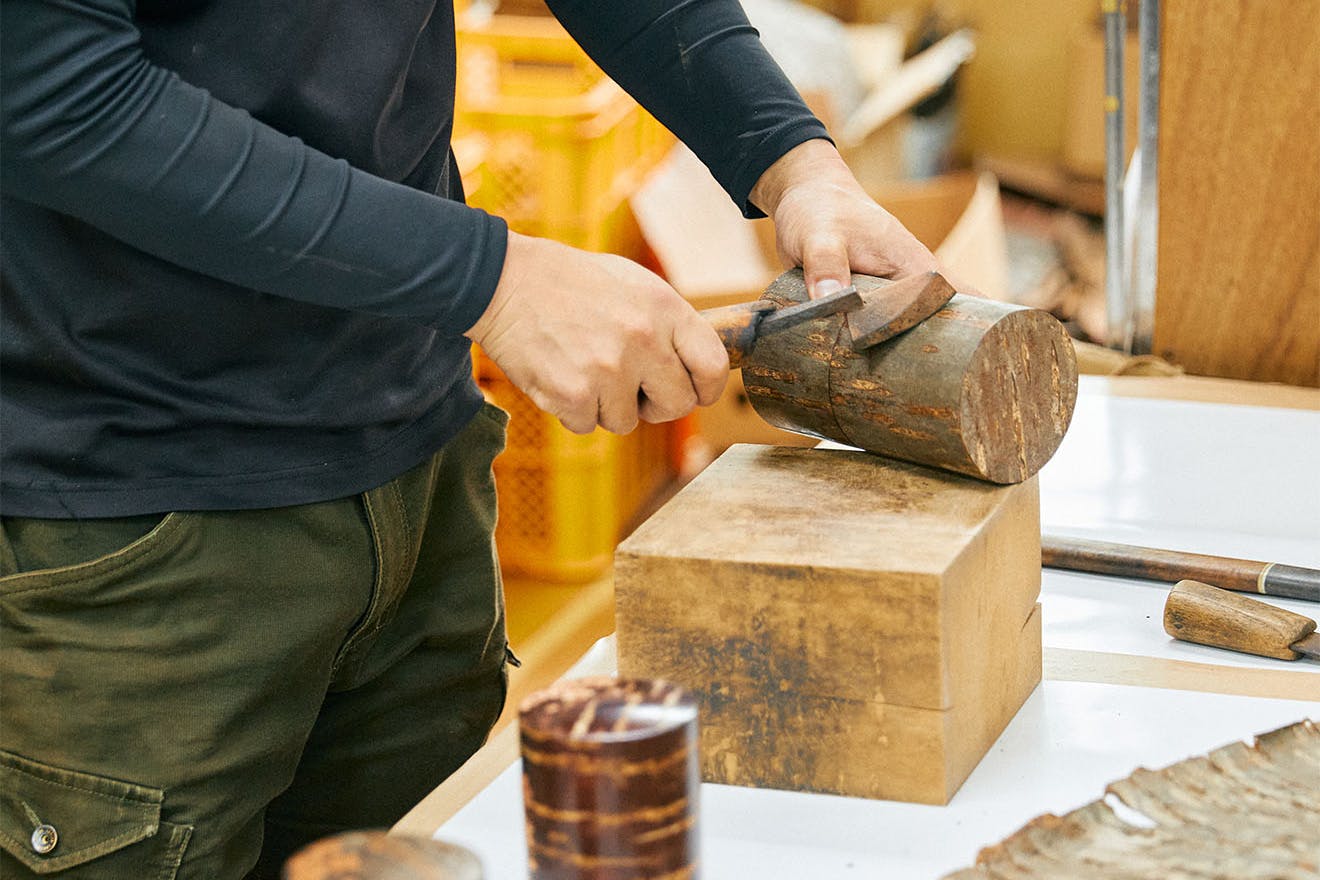
Attaching bark to wooden bases.
Tradition Lives On Only Through Constant Innovation.
With millimeter-level precision passed down for generations, Yatuyanagi produces safe, reliable, and practical works of lasting beauty. A tea caddy, for instance, can be used for 30 to 50 years; some customers return decades later to request repairs or purchase a new one.
There are three main techniques in kabazaiku:
Kata-mono (Mold type): wrapping bark into cylindrical forms
Kiji-mono (Wood-base type): applying bark onto wooden surfaces
Tatami-mono (Layered type): overlapping polished bark for carvings
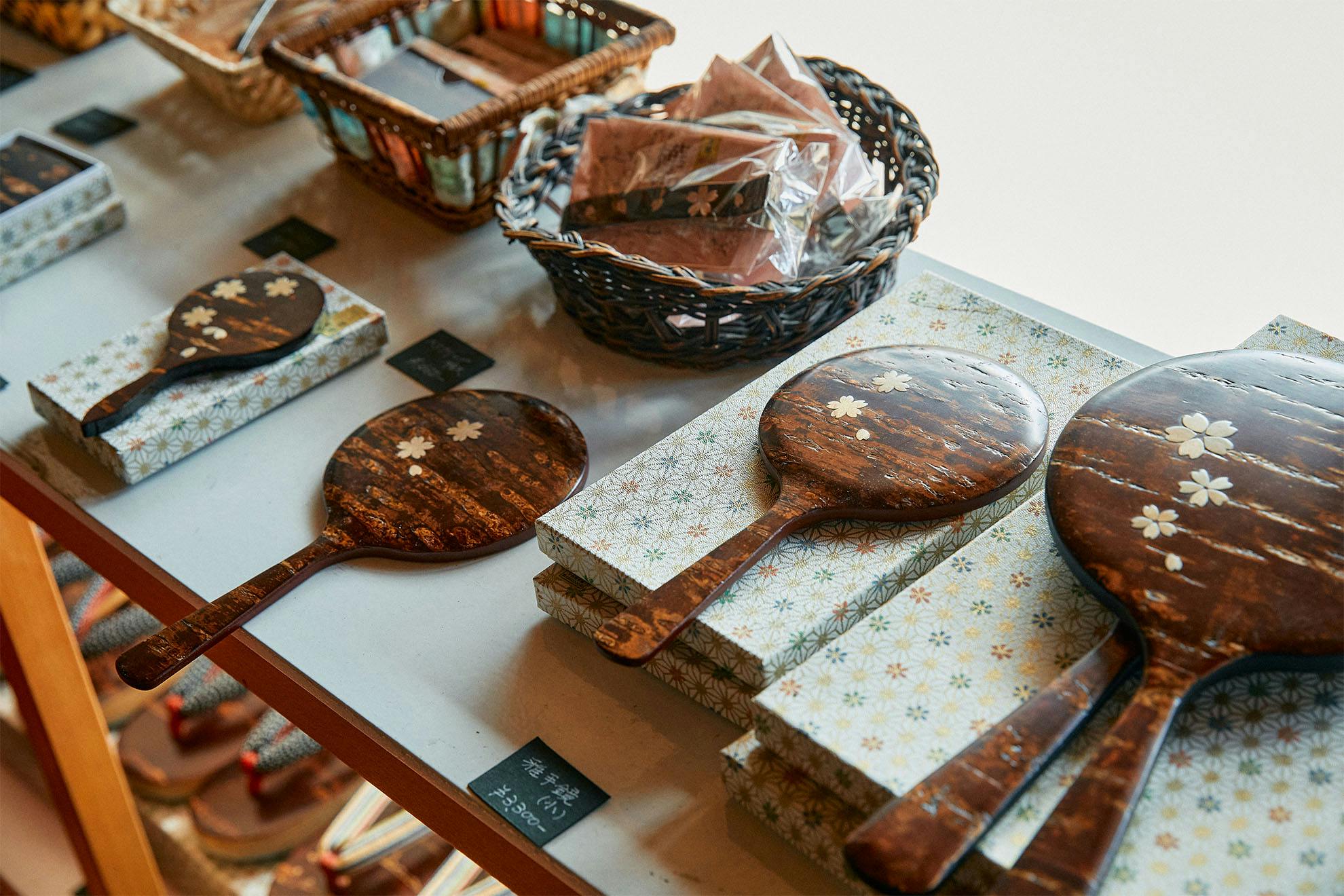
These methods are applied to a wide range of items—from tea caddies, trays, and boxes to jewelry, architectural columns, and nameplates.
There are three main techniques in kabazaiku:
Kata-mono (Mold type): wrapping bark into cylindrical forms
Kiji-mono (Wood-base type): applying bark onto wooden surfaces
Tatami-mono (Layered type): overlapping polished bark for carvings
These methods are applied to a wide range of items—from tea caddies, trays, and boxes to jewelry, architectural columns, and nameplates.

“Traditional crafts may be called a declining industry, but if you look across the country, kabazaiku is made only here in Japan, and nowhere else in the world. That means it holds nothing but potential,” says Yatuyanagi. Their strength lies in blending long-held traditions with designs adapted to the lifestyles of each era.
Recently, they launched Sakura Kabacha (Cherry Bark Tea), a new local specialty brewed from cherry bark. They are also exploring ways to adapt traditional tea caddies for coffee storage and present them to global markets.
Recently, they launched Sakura Kabacha (Cherry Bark Tea), a new local specialty brewed from cherry bark. They are also exploring ways to adapt traditional tea caddies for coffee storage and present them to global markets.

Sakura Kabacha, made with wild cherry bark.

Kōtarō Yatsuyanagi.
Guided by the belief that “tradition lives on only through constant innovation,” Yatuyanagi continues to transform time-honored techniques into modern forms, crafting works that resonate with contemporary life.
Interview: Takuya Atarashi Photography: Daiki Morishita Text: Kento Onishi
Yatsuyanagi
 Akita
Akita#Woodwork & Bamboo Crafts-樺細工
Kakunodate in Semboku City, Akita Prefecture, where the workshop of Yatsuyagi is located, is a region blessed with beautiful nature. Here, kaba-zaiku (cherry bark craft) is created using the bark of wild cherry trees. While many types of traditional crafts exist across Japan, crafts made with cherry bark are truly one of a kind in the world—found only in kaba-zaiku.
Workshop Available
Last Updated : 2023/10/25
Representative
Kotaro Yatsuyanagi
Established year
1875
Employees
11 people
Location
29-20 Matsugasaki, Kogata, Kakunodatemachi, Semboku-shi, Akita 014-0347, Japan
Official Website
Yatsuyanagi
Akita#Woodwork & Bamboo Crafts-樺細工
Kakunodate in Semboku City, Akita Prefecture, where the workshop of Yatsuyagi is located, is a region blessed with beautiful nature. Here, kaba-zaiku (cherry bark craft) is created using the bark of wild cherry trees. While many types of traditional crafts exist across Japan, crafts made with cherry bark are truly one of a kind in the world—found only in kaba-zaiku.
Workshop Available
Last Updated : 2023/10/25
Representative
Kotaro Yatsuyanagi
Established year
1875
Employees
11 people
Location
29-20 Matsugasaki, Kogata, Kakunodatemachi, Semboku-shi, Akita 014-0347, Japan
Official Website
Craft Report
One-of-a-Kind Craft Born from Cherry Trees: Kabazaiku.
Since its founding in 1876, Yatuyanagi has carried on the tradition of kabazaiku—a craft unique to Japan that uses the bark of wild cherry trees (yamazakura). Their workshop is located in Semboku City, Kakunodate, Akita Prefecture, a beautiful area blessed with abundant nature, where this rare art form continues to be practiced.
Tea caddy by Yatuyanagi.
The technique was passed down from the Ani region in northern Akita to Kakunodate more than 200 years ago. The bark of yamazakura, which grows strong in the harsh mountain climate, provides an exceptional material nurtured by Akita’s natural environment. While Japan is home to many traditional crafts, kabazaiku remains the world’s only craft made with cherry bark.
The bark is carefully stripped from the trunk, air-dried for over a year to remove moisture, then shaved and polished to bring out its rich tones. The resulting pieces are often described as “a bark art form unparalleled in the world.”
Beyond their beauty, these works are valued for the natural qualities of the material. Cherry bark resists humidity, making it ideal for everyday tools across the centuries—from pill cases and tea caddies to containers and accessories—adapting in form to the times while remaining a part of people’s lives.
Kōtarō Yatuyanagi, the seventh-generation successor, grew up surrounded by kabazaiku and cherry bark, developing a strong sense of duty to carry on the tradition.
The bark is carefully stripped from the trunk, air-dried for over a year to remove moisture, then shaved and polished to bring out its rich tones. The resulting pieces are often described as “a bark art form unparalleled in the world.”
Beyond their beauty, these works are valued for the natural qualities of the material. Cherry bark resists humidity, making it ideal for everyday tools across the centuries—from pill cases and tea caddies to containers and accessories—adapting in form to the times while remaining a part of people’s lives.
Kōtarō Yatuyanagi, the seventh-generation successor, grew up surrounded by kabazaiku and cherry bark, developing a strong sense of duty to carry on the tradition.
Yamazakura trees used in kabazaiku.
Yamazakura can only be harvested in summer.
Walking with Nature, Passing on to the Next Generation.
Through kabazaiku production and sales, Yatuyanagi also contributes to the local community in Akita. They actively participate in local events and exhibitions, support cultural activities, and work to foster regional connections. Recognized as a local specialty, their products also play a role in revitalizing the economy.
Yatuyanagi organizes educational programs for elementary and middle schools, teaching both history and hands-on craft experiences. They also collaborate with local special-needs schools, having students try making kabazaiku, or practice retail through mock sales at the company’s shop—initiatives that help connect the tradition to the next generation.
Sourcing materials can be challenging. After the 2011 Great East Japan Earthquake, supply from Fukushima was cut off, so the team searched the mountains themselves, forging ties with new timber suppliers to secure quality wood. Overcoming these difficulties strengthened their teamwork and sense of solidarity.
Yatuyanagi organizes educational programs for elementary and middle schools, teaching both history and hands-on craft experiences. They also collaborate with local special-needs schools, having students try making kabazaiku, or practice retail through mock sales at the company’s shop—initiatives that help connect the tradition to the next generation.
Sourcing materials can be challenging. After the 2011 Great East Japan Earthquake, supply from Fukushima was cut off, so the team searched the mountains themselves, forging ties with new timber suppliers to secure quality wood. Overcoming these difficulties strengthened their teamwork and sense of solidarity.
Yamazakura bark reveals a natural luster.
Attaching bark to wooden bases.
Tradition Lives On Only Through Constant Innovation.
With millimeter-level precision passed down for generations, Yatuyanagi produces safe, reliable, and practical works of lasting beauty. A tea caddy, for instance, can be used for 30 to 50 years; some customers return decades later to request repairs or purchase a new one.
There are three main techniques in kabazaiku:
Kata-mono (Mold type): wrapping bark into cylindrical forms
Kiji-mono (Wood-base type): applying bark onto wooden surfaces
Tatami-mono (Layered type): overlapping polished bark for carvings
These methods are applied to a wide range of items—from tea caddies, trays, and boxes to jewelry, architectural columns, and nameplates.
There are three main techniques in kabazaiku:
Kata-mono (Mold type): wrapping bark into cylindrical forms
Kiji-mono (Wood-base type): applying bark onto wooden surfaces
Tatami-mono (Layered type): overlapping polished bark for carvings
These methods are applied to a wide range of items—from tea caddies, trays, and boxes to jewelry, architectural columns, and nameplates.
“Traditional crafts may be called a declining industry, but if you look across the country, kabazaiku is made only here in Japan, and nowhere else in the world. That means it holds nothing but potential,” says Yatuyanagi. Their strength lies in blending long-held traditions with designs adapted to the lifestyles of each era.
Recently, they launched Sakura Kabacha (Cherry Bark Tea), a new local specialty brewed from cherry bark. They are also exploring ways to adapt traditional tea caddies for coffee storage and present them to global markets.
Recently, they launched Sakura Kabacha (Cherry Bark Tea), a new local specialty brewed from cherry bark. They are also exploring ways to adapt traditional tea caddies for coffee storage and present them to global markets.
Sakura Kabacha, made with wild cherry bark.
Kōtarō Yatsuyanagi.
Guided by the belief that “tradition lives on only through constant innovation,” Yatuyanagi continues to transform time-honored techniques into modern forms, crafting works that resonate with contemporary life.
Interview: Takuya Atarashi Photography: Daiki Morishita Text: Kento Onishi
Crafts

Yatsuyanagi
Yatsuyanagi
Yatsuyanagi
Products
Canister 100
#Woodwork & Bamboo Crafts-樺細工
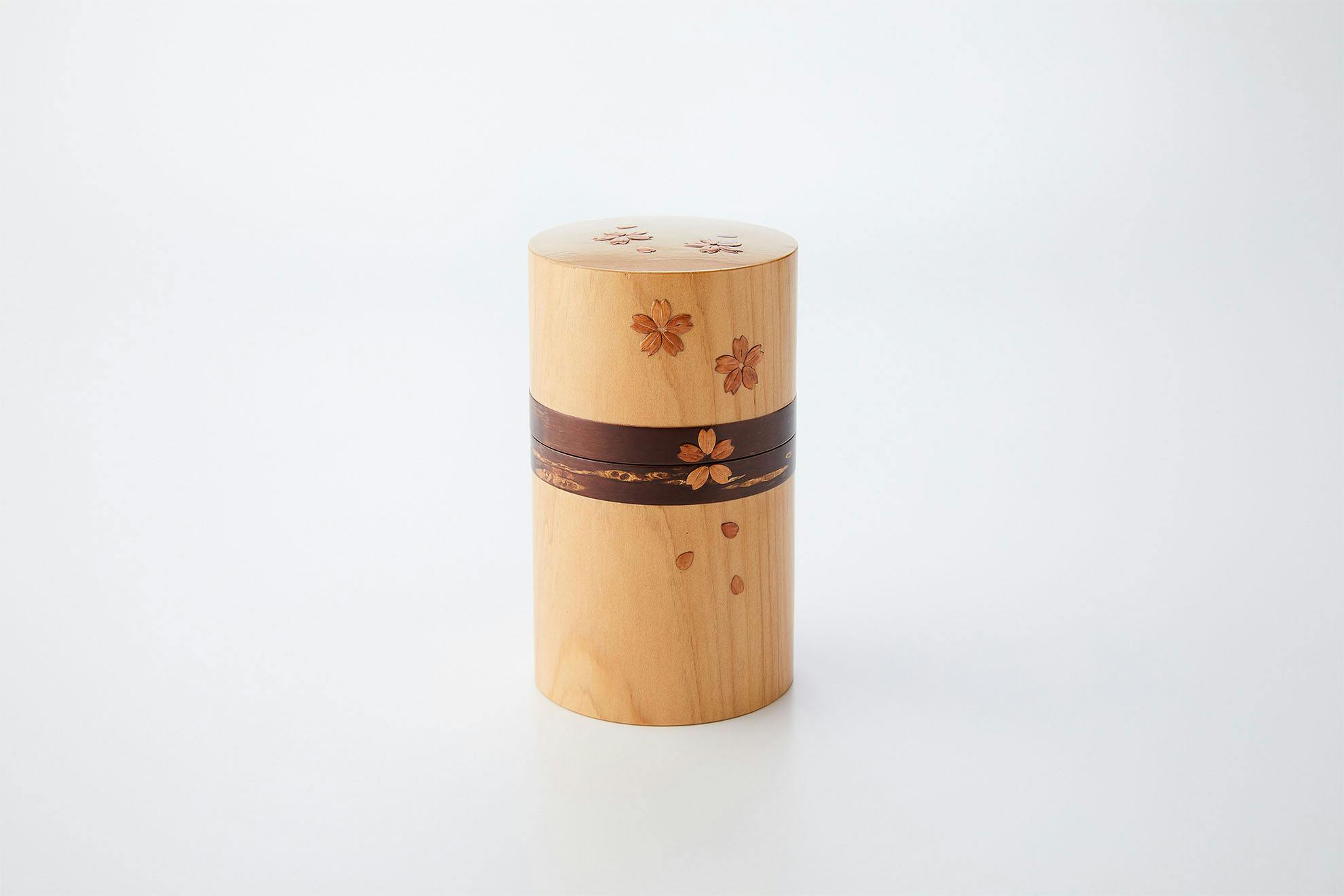
Canister cherry blossom slim
#Woodwork & Bamboo Crafts-樺細工
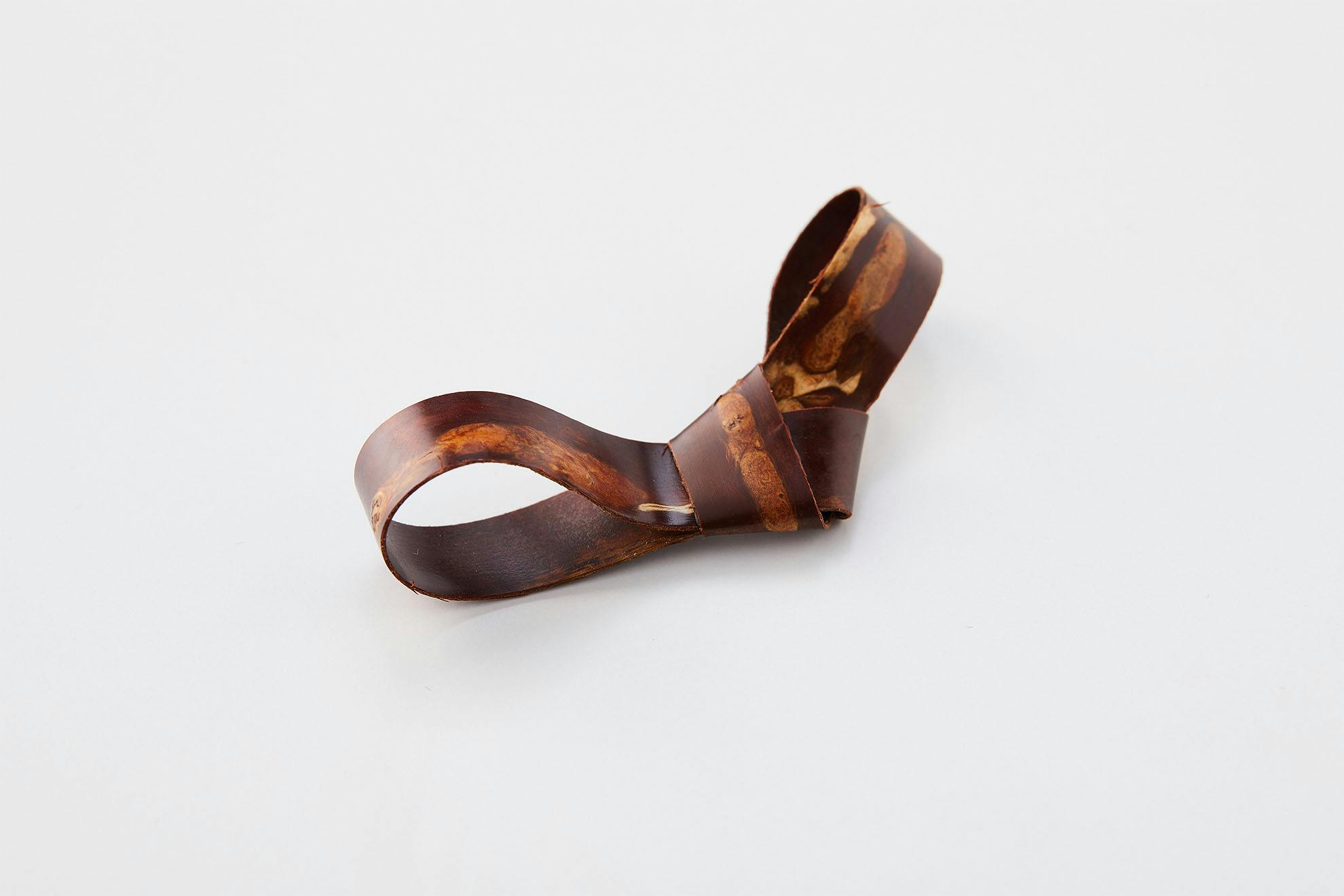
Chopstick rest
#Woodwork & Bamboo Crafts-樺細工
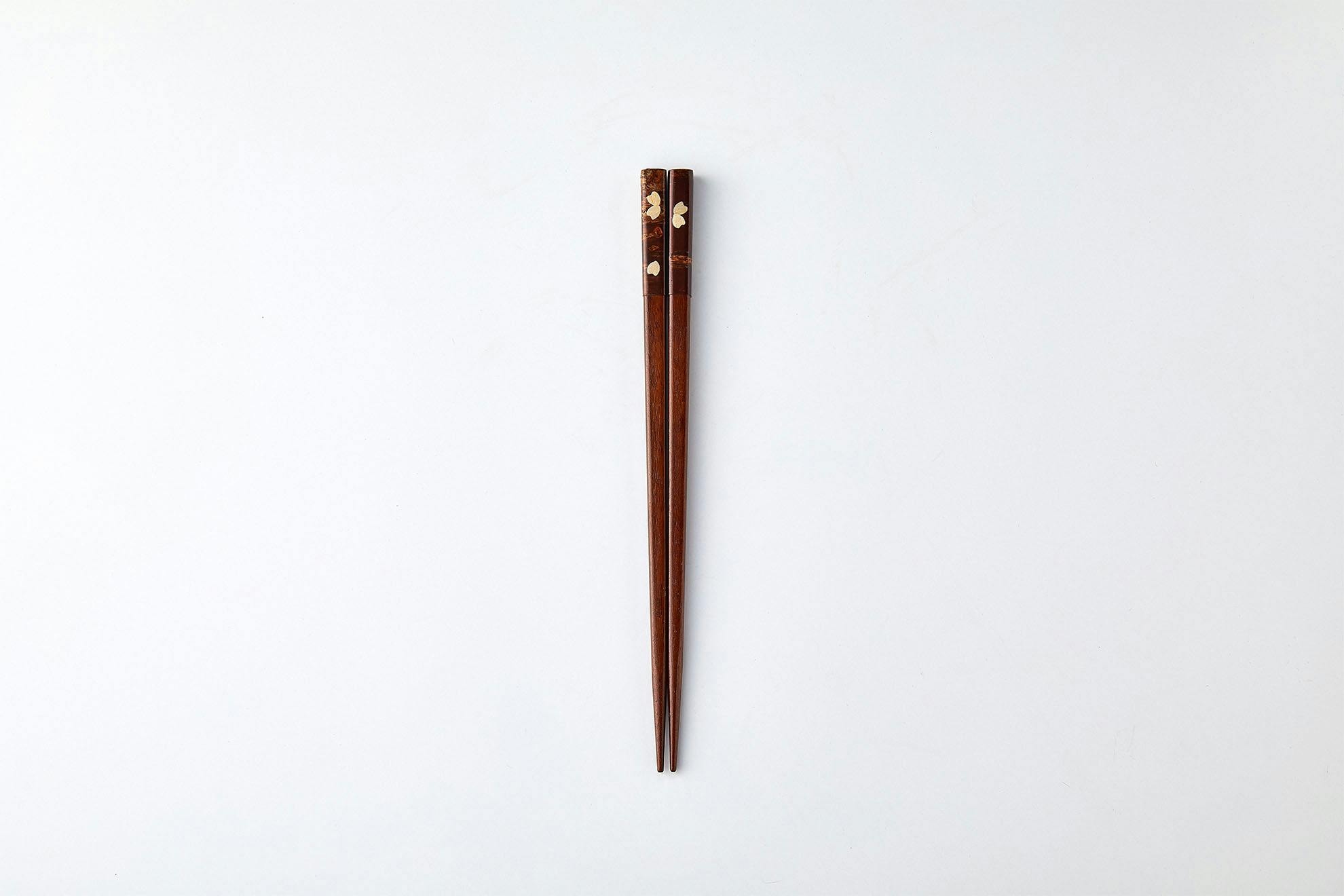
Iron wood chopsticks
#Woodwork & Bamboo Crafts-樺細工
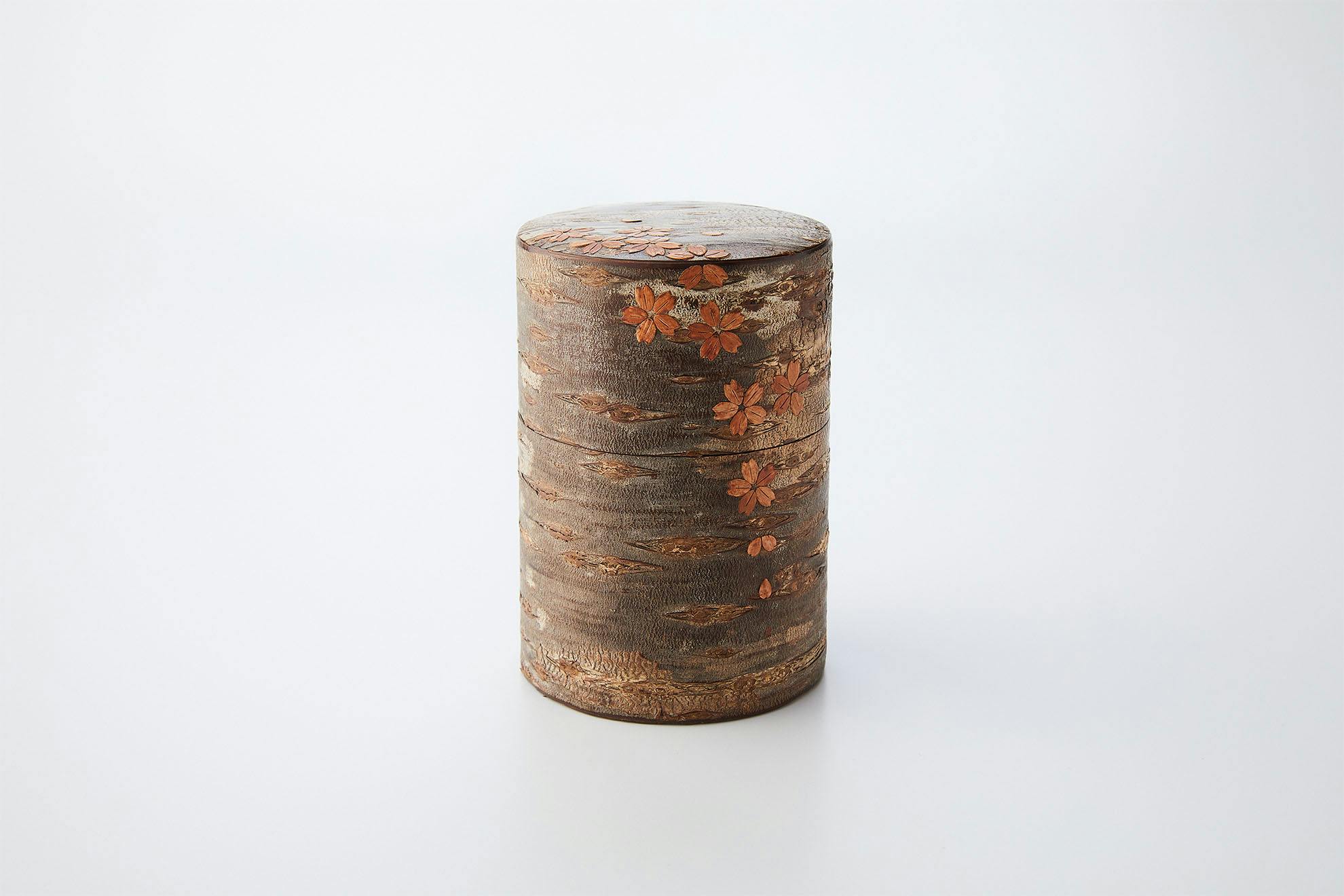
Leather tea canister Large marbled leather cherry blossom snowstorm
#Woodwork & Bamboo Crafts-樺細工
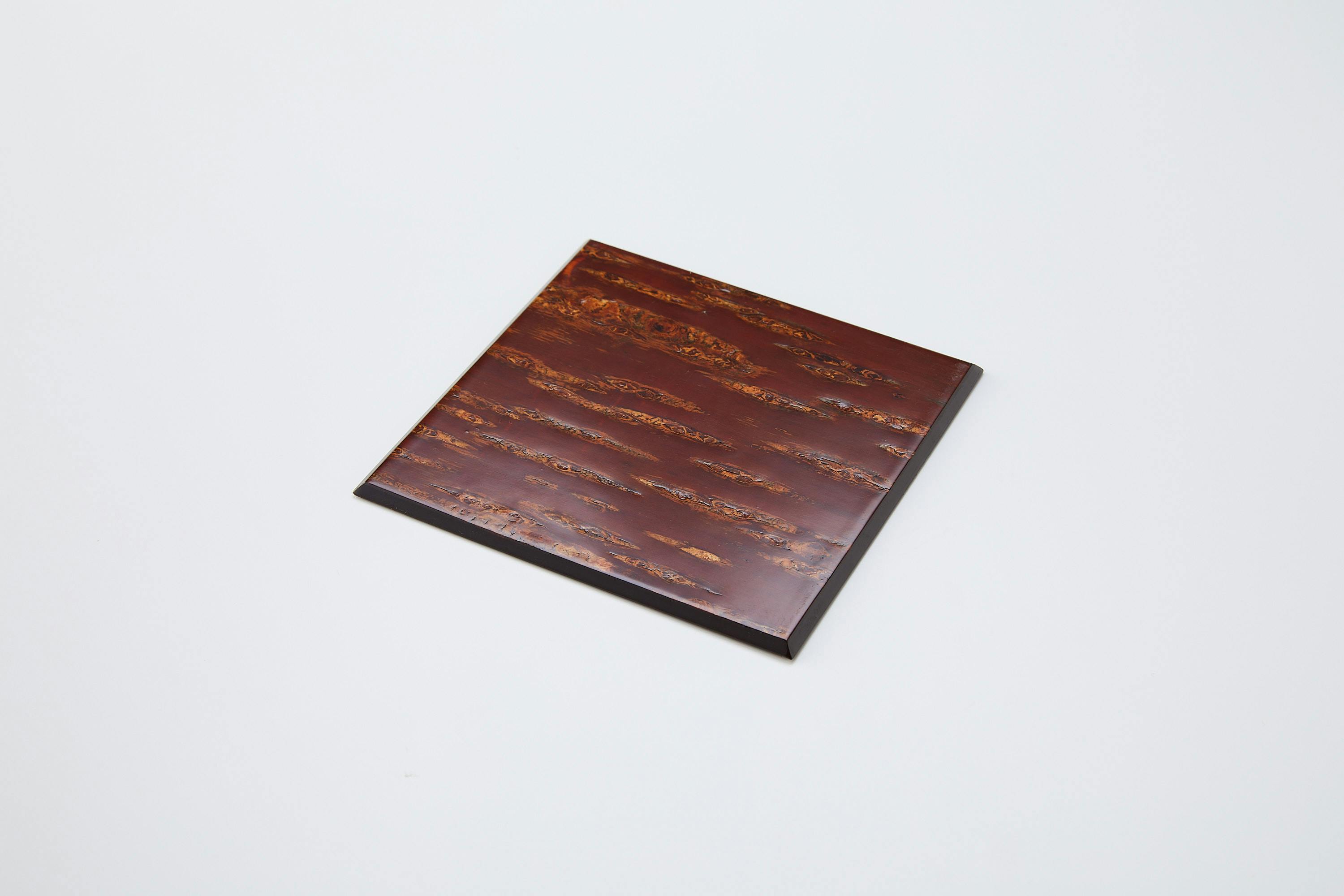
Bread plate
#Woodwork & Bamboo Crafts-樺細工